What Is the History of the Carnation Flower?
Discover the history of the carnation flower, from ancient Greek and Roman symbolism to its modern cultural, religious, and political significance across the world. Learn how carnations evolved through centuries.
Introduction
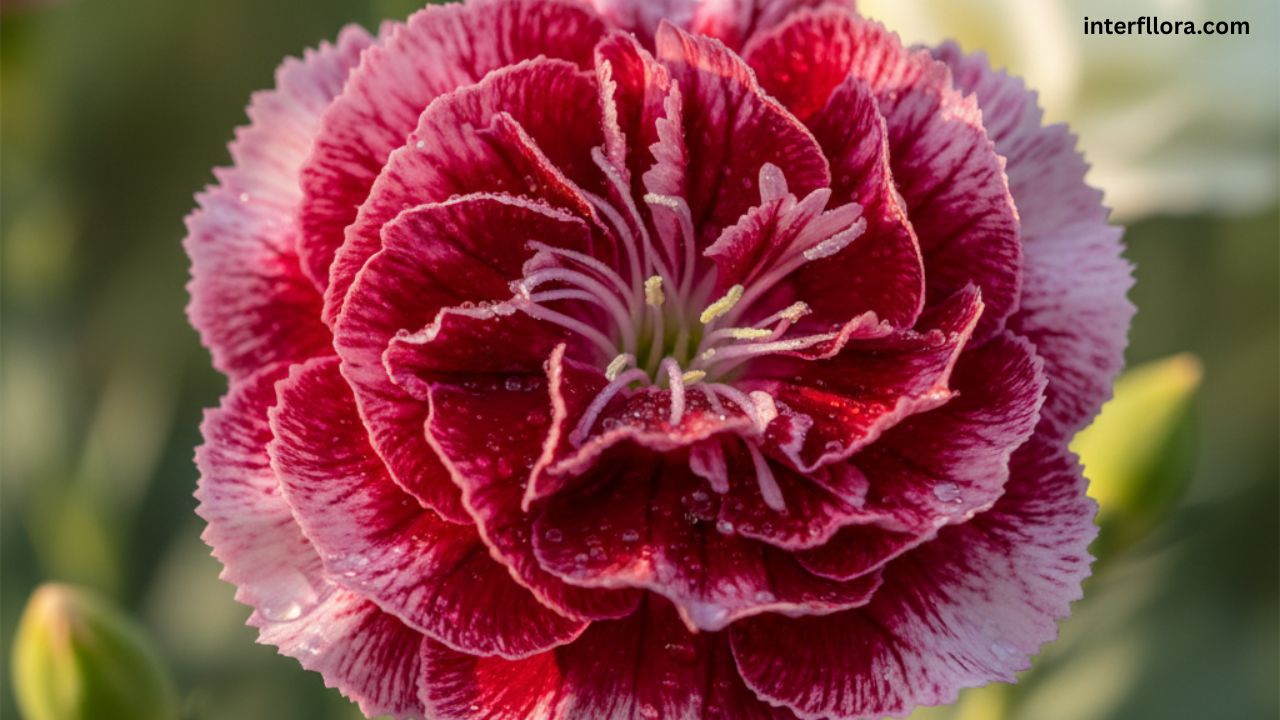
The carnation flower, scientifically known as Dianthus caryophyllus, holds a distinguished place in human history. We find its story woven through ancient civilizations, royal courts, religious symbolism, political movements, and modern celebrations. Few flowers have traveled such a long and meaningful path across cultures and centuries. By examining its origins, evolution, and symbolism, we gain a deeper understanding of why the carnation remains one of the most cherished flowers in the world today.
Ancient Origins of the Carnation Flower
We trace the history of the carnation back more than 2,000 years, with its earliest roots firmly planted in the Mediterranean region. Ancient Greek and Roman societies cultivated carnations not only for their beauty but also for their ceremonial and medicinal uses. The Greeks referred to the flower as “Dianthus,” meaning “flower of the gods,” a name that immediately signals its elevated status in ancient culture.
Carnations appeared frequently in Greek art, poetry, and coronations, where they were woven into floral crowns used in festivals and religious rituals. We see similar practices in ancient Rome, where carnations adorned banquet halls, temples, and public ceremonies. Romans believed the flower symbolized fascination, admiration, and distinction, making it a popular decorative element during triumphs and celebrations.
Beyond aesthetics, ancient herbalists valued carnations for their perceived healing properties. They were used in remedies intended to relieve fever, soothe nerves, and treat minor ailments. This dual role as both ornamental and functional ensured the carnation’s continued cultivation and spread throughout the ancient world.
Carnations in Early Christian and Medieval Traditions
As we move into the early Christian era, the carnation took on profound religious symbolism. According to Christian legend, carnations first bloomed from the tears of the Virgin Mary as she wept for Jesus during the Crucifixion. This belief established the carnation as a symbol of pure love, devotion, and maternal sacrifice.
During the Middle Ages, carnations became deeply integrated into European religious art. We frequently see them in paintings depicting the Madonna and Child, where the flower represents divine love and spiritual commitment. Monasteries across Europe cultivated carnations in cloister gardens, ensuring their preservation and selective breeding during a time when botanical knowledge was largely safeguarded by religious institutions.
In medieval society, carnations also found a place in courtly love traditions. Knights and nobles wore carnations as tokens of affection, loyalty, and honor. The flower’s durability made it ideal for long events, reinforcing its reputation as a symbol of steadfast emotion.
Renaissance Influence and Artistic Flourishing
The Renaissance period marked a turning point in the cultural and artistic prominence of the carnation flower. We observe its widespread appearance in European still-life paintings, portraits, and tapestries. Artists favored carnations for their complex petal structure and rich colors, which allowed them to demonstrate technical mastery and symbolic depth.
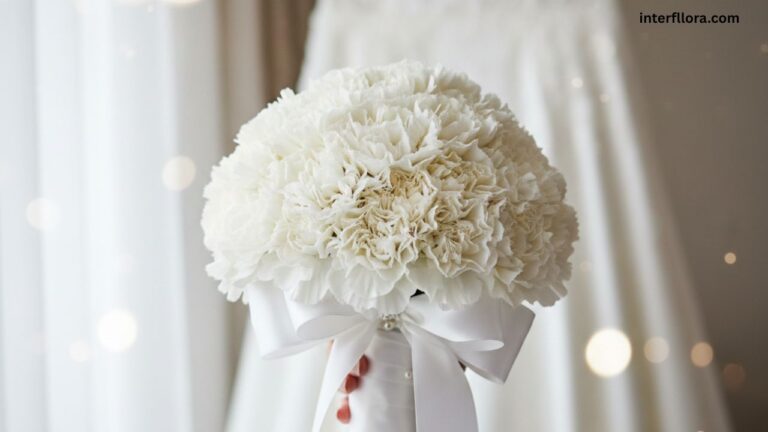
During this era, carnations became associated with betrothal and marriage. A red carnation symbolized deep love, while white carnations represented purity and fidelity. Couples exchanged carnations as gestures of commitment, and the flower became a common feature in wedding arrangements across Europe.
Botanical exploration during the Renaissance also led to the refinement of carnation cultivation. Gardeners began experimenting with selective breeding, resulting in improved color variation, larger blooms, and enhanced fragrance. These developments laid the foundation for the modern carnation varieties we recognize today.
The Spread of Carnations Across Europe and Asia
We see carnations spreading beyond their Mediterranean origins through trade routes and colonial expansion. By the 16th and 17th centuries, the flower had reached France, Spain, England, and parts of Asia, where it was quickly embraced for its adaptability and symbolic appeal.
In France, carnations became associated with aristocracy and refinement. The flower was often worn at royal events and formal gatherings. In England, carnations gained popularity in cottage gardens and were celebrated for their resilience in cooler climates.
Asian cultures also adopted the carnation, integrating it into local traditions and floral art. In China and Japan, carnations came to symbolize admiration, gratitude, and respect, values deeply embedded in social and familial relationships.
Carnations and Political Symbolism
One of the most striking chapters in carnation history is its role in political movements. We find a powerful example in Portugal’s Carnation Revolution of 1974, where red carnations became the symbol of a peaceful military coup that ended decades of dictatorship. Citizens placed carnations into soldiers’ rifle barrels, transforming the flower into a global emblem of peace, freedom, and nonviolent resistance.
Earlier political associations can be traced to France, where carnations were worn by royalists during the French Revolution as symbols of loyalty and remembrance. These contrasting uses highlight the carnation’s remarkable ability to convey complex political and emotional messages across different contexts.
The Carnation in Modern Cultural Traditions
In contemporary society, the carnation remains deeply embedded in cultural and ceremonial practices. We recognize it as the official flower of Mother’s Day in many countries, a tradition initiated in the early 20th century. White carnations honor deceased mothers, while red and pink carnations celebrate living ones, reinforcing the flower’s enduring association with maternal love.
Carnations also play a prominent role in national and regional symbolism. They are the official state flower of Ohio and are widely used in national celebrations, memorials, and public ceremonies.
In modern floristry, carnations are valued for their longevity, versatility, and affordability. They are frequently used in bouquets, corsages, boutonnieres, and large-scale floral displays, making them accessible to people from all walks of life.
Evolution of Carnation Cultivation and Hybridization
We cannot discuss the history of the carnation without acknowledging advances in horticulture and breeding. Over centuries, growers have developed hundreds of carnation varieties, ranging from traditional large-flowered types to spray carnations with multiple blooms per stem.
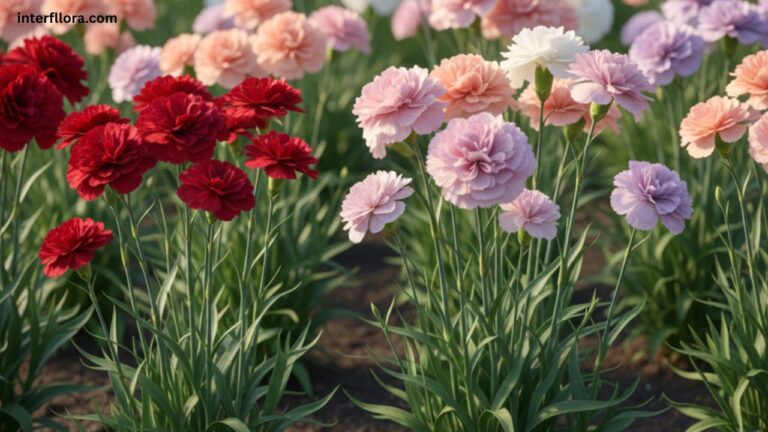
Modern breeding has enhanced traits such as color diversity, disease resistance, and vase life. Today, carnations are available in nearly every shade, including striped, speckled, and bi-colored varieties. This evolution has ensured the flower’s continued relevance in a competitive global floral market.
Symbolism of Carnation Colors Through History
Throughout history, carnation colors have carried distinct meanings:
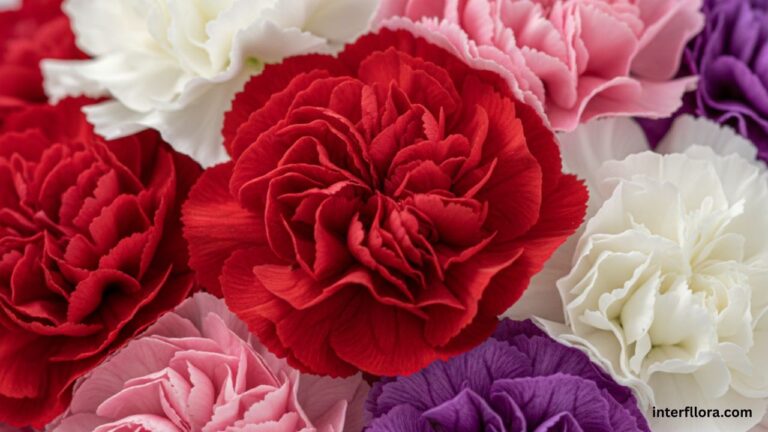
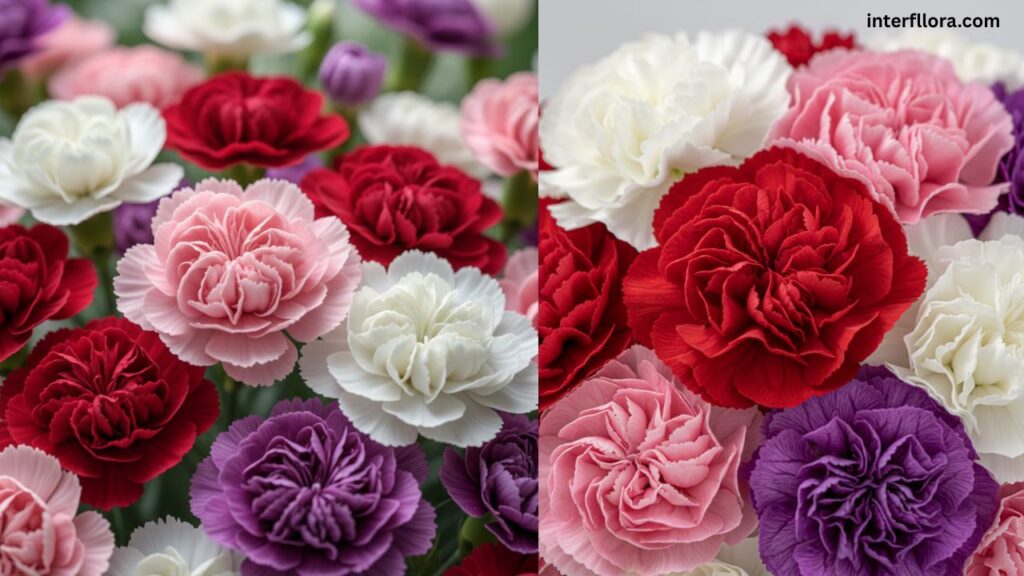
- Red carnations symbolize deep love, admiration, and courage
- White carnations represent purity, remembrance, and innocence
- Pink carnations convey gratitude and maternal affection
- Yellow carnations historically suggested disappointment but now often express friendship
These symbolic associations have remained remarkably consistent, allowing carnations to communicate emotion across generations and cultures.
The Enduring Legacy of the Carnation Flower
We see the carnation as more than a decorative bloom. Its history reflects humanity’s evolving values, beliefs, and artistic expressions. From ancient religious rites to modern social movements, the carnation has adapted while maintaining its core symbolism of love, respect, and resilience.
Its ability to thrive in diverse climates and cultural settings mirrors its symbolic flexibility. Whether used to honor a loved one, celebrate a milestone, or mark a moment of political change, the carnation continues to speak a universal language.
Conclusion: A Flower Shaped by History
The history of the carnation flower is a testament to its enduring beauty and symbolic power. We find in its journey a reflection of human civilization itself, rooted in ancient traditions, shaped by cultural exchange, and continually renewed through innovation. As we look at a carnation today, we are not merely observing a flower; we are witnessing a living connection to thousands of years of shared human experience.