What Is Carnation? Meaning, Uses & Hidden Facts You Didn’t Know
What is a carnation? Learn about the carnation flower, its origin in the Mediterranean, its meaning, its symbolism, its types, and why it represents love and affection worldwide.
Introduction to Carnation
The carnation is one of the most recognizable and timeless flowers in the world. Known for its ruffled petals, long vase life, and deep symbolism, the carnation flower has been cherished for centuries. Whether used in celebrations, ceremonies, or everyday floral arrangements, carnations continue to hold a special place in human culture. Their beauty goes beyond appearance; it is deeply rooted in history, emotion, and meaning.
From ancient Mediterranean landscapes to modern gardens and weddings, carnations have traveled through time without losing their charm. Easy to grow, affordable, and available in a wide range of colors, carnations are loved by gardeners and florists alike. Understanding their origin, symbolism, and care requirements helps you appreciate why this flower remains so popular today.
What Is a Carnation Flower?
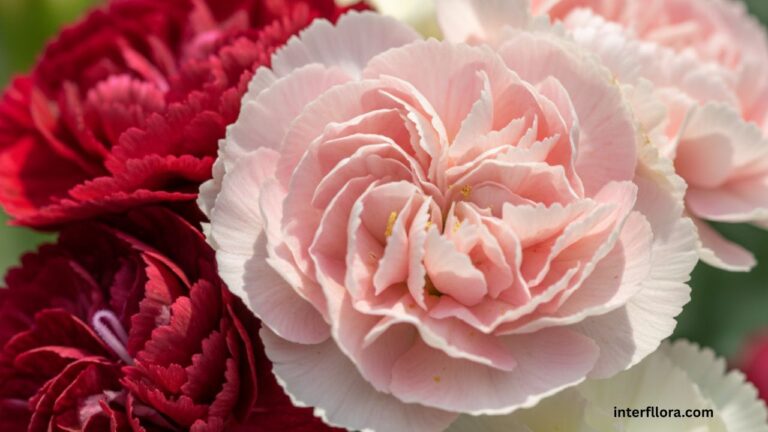
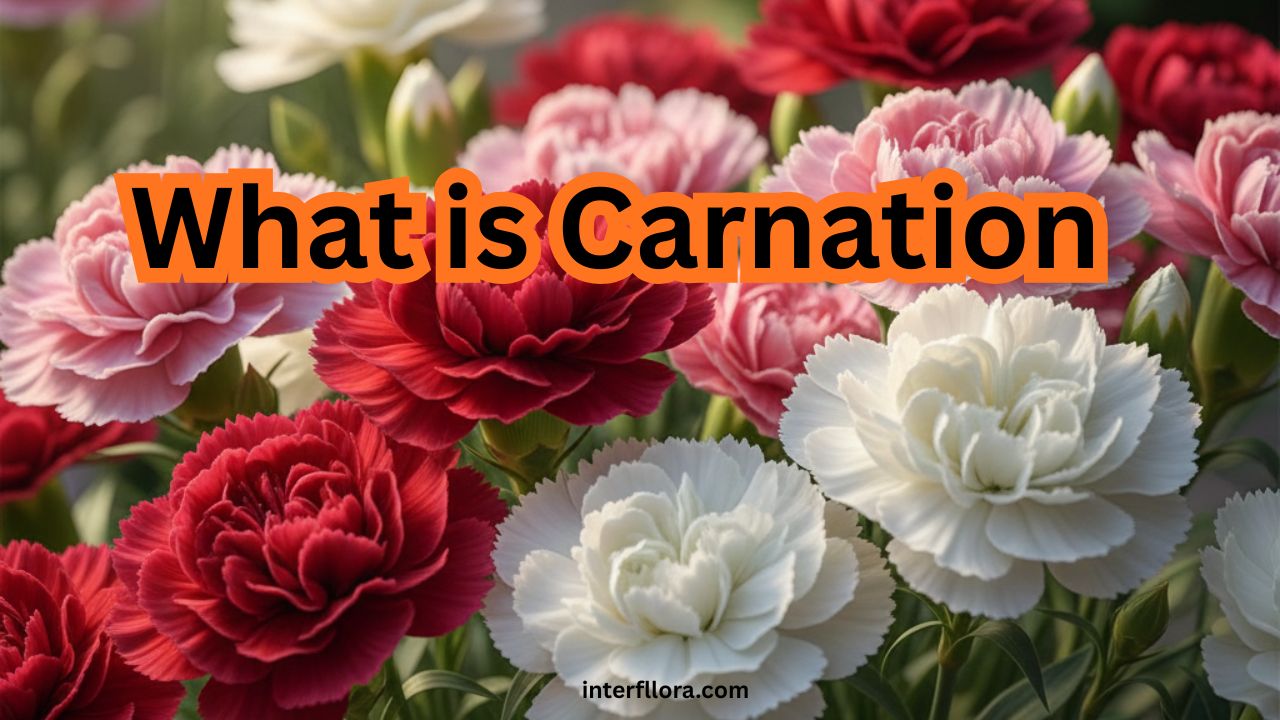
The carnation flower, scientifically known as Dianthus caryophyllus, belongs to the Caryophyllaceae family. The name Dianthus comes from Greek words meaning “flower of God,” which already hints at its long-standing importance. Carnations are herbaceous perennial plants, typically grown for their beautifully fringed petals and spicy, clove-like fragrance.
Carnations usually grow on strong, upright stems with narrow, bluish-green leaves. The flowers can bloom singly or in clusters and are available in a stunning range of colors. Unlike many delicate-looking flowers, carnations are surprisingly resilient, which makes them ideal for both home gardens and commercial flower production.
Origin and Natural Habitat of Carnations
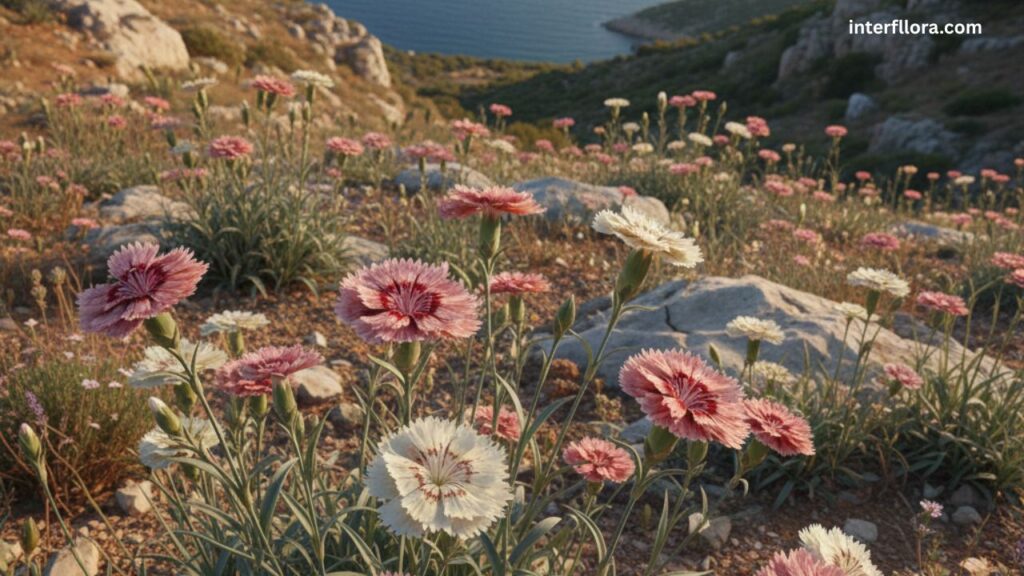
Carnations are native to the Mediterranean region, including parts of southern Europe and North Africa. Historical records suggest they have been cultivated for more than 2,000 years. Because of extensive breeding and cultivation, their exact wild origin is difficult to pinpoint, but the Mediterranean climate shaped their preference for well-drained soil and moderate temperatures.
Over time, carnations spread across Europe and later to the rest of the world. Their adaptability allowed them to thrive in gardens, greenhouses, and farms globally. Today, carnations are grown commercially in many countries, supplying the global floral industry year-round.
Symbolism and Meaning of Carnations
One of the reasons carnations remain popular is their rich symbolism. In general, carnations represent love and affection, but meanings can change depending on color and culture.
- Red carnations symbolize deep love, admiration, and affection
- Pink carnations often represent gratitude and motherly love
- White carnations symbolize purity and good luck
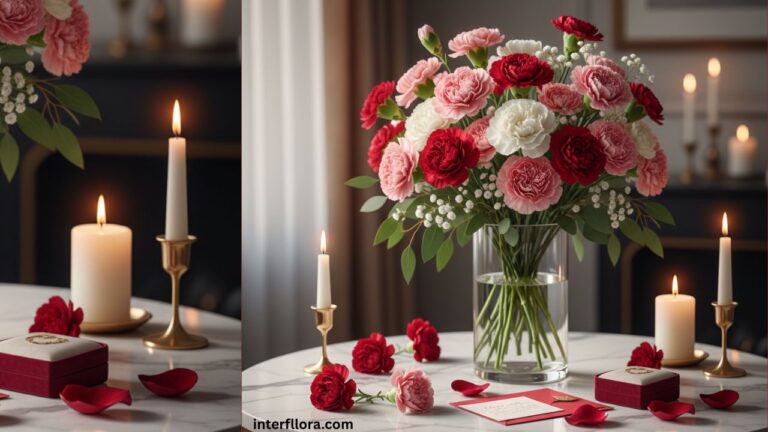
Carnations are strongly associated with Mother’s Day, weddings, and memorial events. In many cultures, they are used to express emotions that words sometimes fail to capture. Their ability to convey both joy and remembrance makes them one of the most emotionally versatile flowers.
Different Types and Colors of Carnations
Carnations come in several main types, including border carnations, perpetual flowering carnations, spray carnations, and miniature varieties. Each type serves a different purpose, from garden displays to cut-flower arrangements.
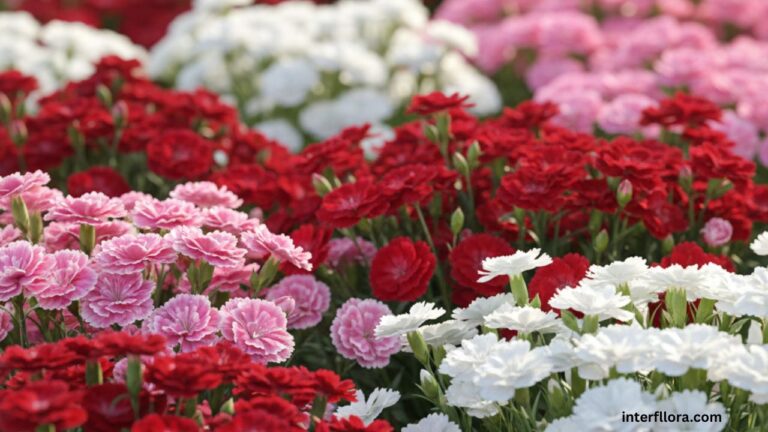
Colors range from classic white and pink to vibrant yellow, green, and even genetically modified blue shades. The red carnation remains the most iconic, often linked with romantic love and historical movements. Because of this wide variety, carnations fit almost any occasion or aesthetic preference.
How to Grow Carnations Successfully
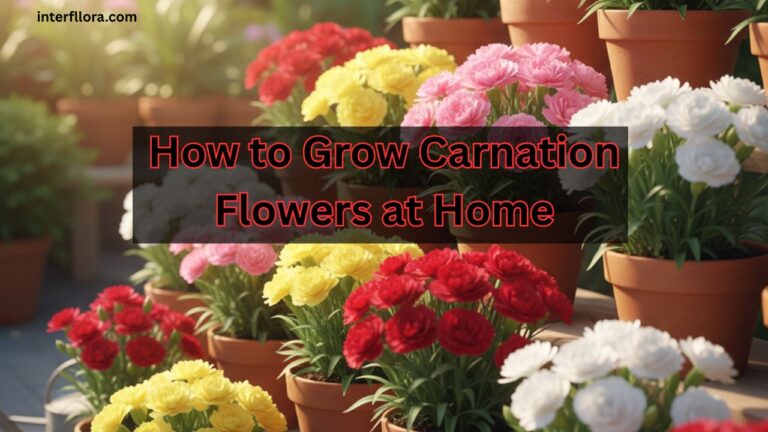
Growing carnations is relatively easy when their basic needs are met. They prefer full sunlight, receiving at least four to six hours of direct light daily. Soil should be well-drained and slightly alkaline, as poor drainage can lead to root problems.
Water carnations moderately. Overwatering is a common mistake that leads to yellow leaves and fungal diseases. Space plants properly to allow airflow, which helps prevent disease. With the right balance of sunlight, soil, and water, carnations grow steadily and bloom generously.
Carnation Care and Maintenance
Proper care keeps carnation plants healthy and productive. Regular deadheading encourages more blooms and prevents the plant from wasting energy on seed production. Light pruning helps maintain shape and strengthens stems.
Fertilize carnations with a balanced fertilizer during the growing season, but avoid excess nitrogen, which promotes leafy growth at the expense of flowers. Clean garden tools and remove plant debris to reduce disease risk.
Common Problems and Solutions
Carnations can face issues such as fungal diseases, pests like aphids, and nutrient deficiencies. Most problems arise from overwatering, poor drainage, or overcrowding. Good garden hygiene, proper spacing, and early detection are the best defenses.
Healthy carnations are naturally more resistant to pests and disease, making preventive care far more effective than treatment.
Uses of Carnation Flowers
Carnations are widely used in bouquets, wedding arrangements, and floral décor due to their durability and affordability. Beyond decoration, carnations have been used historically in perfumes, teas, and traditional remedies.
Their long vase life makes them a favorite in the floral industry, while their symbolism keeps them relevant in cultural and ceremonial settings.
Why Carnations Are Still Popular Today
Despite changing trends, carnations remain a staple flower because they are beautiful, meaningful, and practical. They combine emotional symbolism with real-world durability, something few flowers can achieve so well.
Conclusion
The carnation is far more than a simple flower. Native to the Mediterranean, rich in symbolism, and loved worldwide, it represents love, affection, and timeless beauty. Whether grown in a garden or given as a gift, carnations continue to connect people through color, fragrance, and meaning.