Red Carnation Meaning, Occasions & When to Gift Them
Red carnation flower meaning explained in detail. Discover symbolism, cultural significance, love meanings, history, and uses of red carnations in gifting, events, and traditions worldwide.
Introduction to the Red Carnation Flower
The red carnation flower stands as one of the most emotionally charged and universally recognized blooms in the world of floriculture. We often encounter red carnations in moments that matter most celebrations of love, expressions of admiration, solemn farewells, and symbolic gestures that transcend spoken language. This flower does not merely decorate spaces; it communicates sentiments with depth and clarity. The red carnation’s intense hue immediately evokes passion, strength, and heartfelt emotion, making it a timeless botanical messenger.
What makes the red carnation especially compelling is its balance between elegance and resilience. Unlike more delicate flowers that wilt quickly, carnations are known for their longevity and ability to retain beauty long after being cut. This enduring quality reinforces their symbolic association with everlasting love, deep respect, and unwavering devotion. Historically, red carnations have appeared in royal ceremonies, religious art, and political movements, each time absorbing new layers of meaning while retaining their core symbolism.
In modern society, we continue to rely on red carnations as a powerful floral choice. They are accessible yet meaningful, simple yet profound. Whether presented as a single stem or arranged in elaborate bouquets, the red carnation conveys a message that feels both personal and universally understood. By exploring its origins, symbolism, cultural relevance, and practical uses, we gain a deeper appreciation for why this flower continues to hold such a prominent place in human expression.
Historical Origins of the Red Carnation
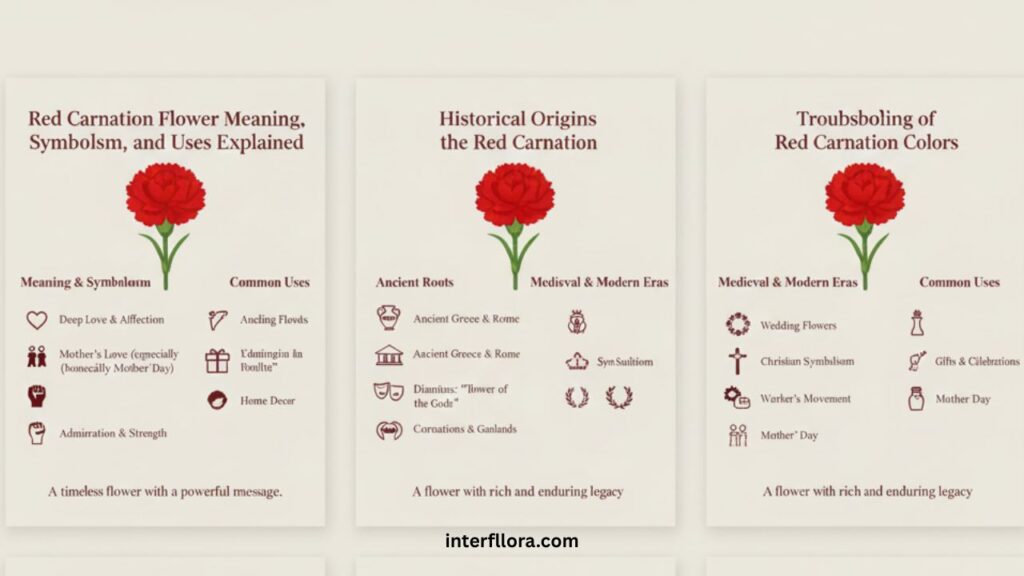
The story of the red carnation begins thousands of years ago, rooted deeply in human civilization and tradition. Carnations, botanically known as Dianthus, derive their name from Greek words meaning “flower of the gods.” This divine association immediately positioned carnations, especially red ones, as flowers of significance rather than mere ornamentation. Ancient societies cultivated carnations not only for their beauty but also for their symbolic power and practical uses.
Ancient Civilizations and Carnations
In ancient Greece and Rome, red carnations were frequently used in ceremonial crowns, garlands, and decorative wreaths. They symbolized admiration, courage, and noble character. Warriors were often honored with carnations, as the flower’s red hue mirrored the strength and sacrifice associated with heroism. The Romans, in particular, associated red carnations with deep emotional bonds and used them during festivals celebrating love and fertility.
As trade routes expanded, carnations traveled across Europe, Asia, and North Africa. Each culture embraced the flower and adapted its meaning to local beliefs. The red carnation, however, consistently maintained its connection to strong emotions especially love, loyalty, and respect.
Evolution of Red Carnation Symbolism Over Time
During the Middle Ages, red carnations took on religious symbolism. Christian traditions linked the red carnation to the blood of Christ and the Virgin Mary’s tears, reinforcing themes of sacrificial love and divine devotion. By the Renaissance period, artists frequently included red carnations in paintings to symbolize engagement, marital fidelity, and spiritual purity.
In more recent history, red carnations became politically and socially significant. They emerged as symbols of labor movements and social justice, representing the struggle, passion, and unity of the working class. This layered history has transformed the red carnation into a flower rich with narrative, making it one of the most symbolically complex blooms still in use today.
Botanical Profile of the Red Carnation
From a botanical perspective, the red carnation is as fascinating as its symbolism. Understanding its physical and scientific characteristics allows us to appreciate why it has remained a favorite among gardeners, florists, and cultural institutions alike.
Scientific Classification
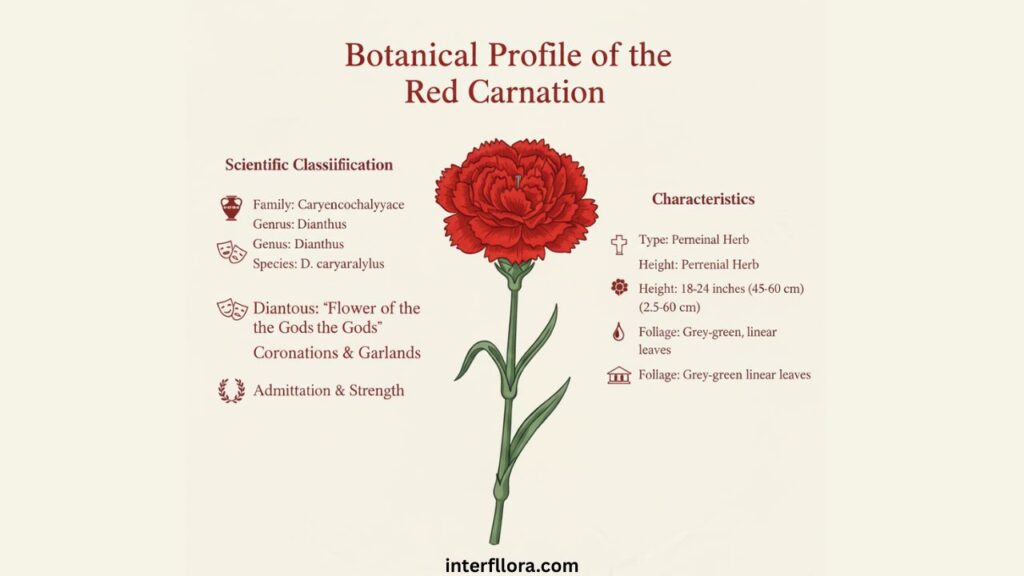
Red carnations belong to the Dianthus caryophyllus species within the Caryophyllaceae family. The genus Dianthus includes hundreds of varieties, but the carnation remains the most iconic. Native to the Mediterranean region, carnations thrive in temperate climates and have been selectively bred for centuries to enhance color, petal density, and fragrance.
Physical Characteristics and Varieties
The red carnation is distinguished by its ruffled petals, spicy-sweet fragrance, and sturdy stem. Its color ranges from deep crimson to bright scarlet, each shade carrying subtle variations in emotional expression. The flower typically blooms in clusters, creating a lush and full appearance that enhances its visual impact in arrangements.
Modern cultivation has produced multiple red carnation varieties, including standard carnations with large blooms and spray carnations featuring multiple smaller flowers on a single stem. These variations allow the red carnation to adapt seamlessly to different aesthetic and symbolic needs, from minimalist gestures to grand floral displays.
Core Meaning of the Red Carnation
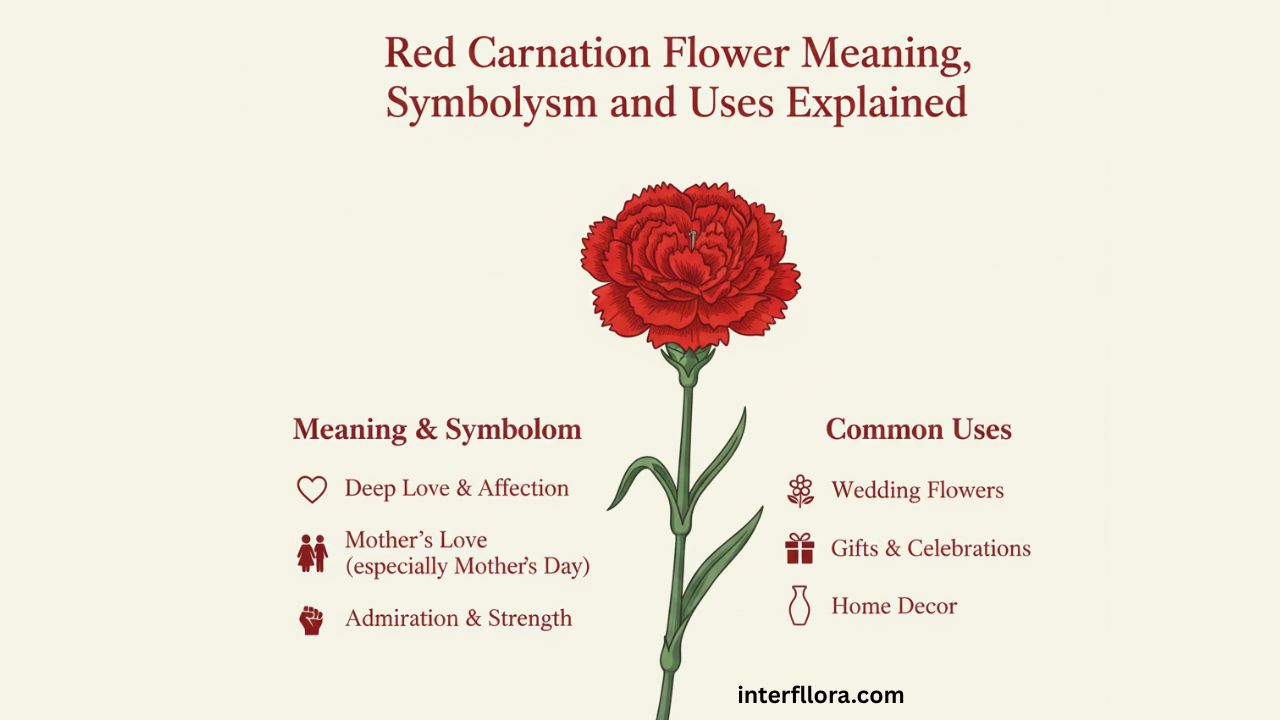
The red carnation carries a meaning that is both intense and refined, making it one of the most emotionally expressive flowers available. At its core, the red carnation represents deep love, admiration, and respect. Unlike fleeting symbols of affection, this flower communicates feelings that are enduring and sincere. Its rich red tone reflects the strength of emotion rather than impulsive passion, setting it apart from other red flowers that often symbolize fleeting romance.
We often associate red carnations with heartfelt expressions that words alone cannot fully capture. They are chosen to convey love that is mature, stable, and rooted in loyalty. This is why red carnations are frequently exchanged between long-term partners, family members, and individuals who share a profound emotional bond. The flower speaks of commitment, reminding the recipient that the sentiment behind the gesture is genuine and lasting.
Beyond romantic love, the red carnation also signifies admiration and respect. It is commonly used to honor achievements, celebrate milestones, and recognize personal integrity. In professional and ceremonial settings, red carnations convey appreciation without excess sentimentality, striking a balance between warmth and dignity. This versatility makes the red carnation a powerful symbol that resonates across personal, social, and cultural contexts.
Red Carnation Symbolism Across Cultures
The symbolic meaning of the red carnation extends far beyond a single tradition. Across cultures, this flower has been embraced as a representation of strong emotions, moral values, and collective identity.
Western Cultural Symbolism
In Western societies, red carnations are closely associated with love, admiration, and gratitude. They are a popular choice for Mother’s Day, symbolizing deep maternal love and appreciation. The red carnation’s enduring freshness reinforces the idea of a bond that does not fade with time. In European traditions, red carnations have also been linked to engagement and marriage, often appearing in wedding bouquets and ceremonial décor.
The flower has also played a role in political and social movements. In several European countries, red carnations symbolize solidarity, courage, and social unity. Their use in public demonstrations and commemorations reflects the flower’s association with collective strength and shared values.
Eastern and Asian Interpretations
In many Asian cultures, red is considered a color of prosperity, joy, and good fortune. Red carnations, therefore, are often gifted during celebrations such as weddings, anniversaries, and festivals. They represent happiness rooted in emotional stability and mutual respect. In some traditions, red carnations are also used in ancestral rites, symbolizing honor and remembrance.
The consistent theme across cultures is the red carnation’s ability to convey emotion with clarity and respect. Whether expressing personal affection or communal values, the flower’s symbolism remains powerful and universally understood.
Red Carnation and Love Symbolism
Love is perhaps the most dominant theme associated with the red carnation, yet its interpretation is more nuanced than simple romance.
Romantic Love
Red carnations symbolize romantic love that is deep, sincere, and enduring. Unlike roses, which often represent intense passion, red carnations communicate a love that has matured over time. They are ideal for expressing devotion in long-term relationships, anniversaries, and meaningful commitments. The flower suggests emotional security, trust, and mutual understanding.
Devotion and Deep Affection
Beyond romance, red carnations also represent familial love and unwavering devotion. They are often chosen to honor parents, mentors, and individuals who have provided guidance and support. This broader interpretation of love makes red carnations especially versatile, allowing them to convey affection without romantic implications.
Red Carnation in Religion and Spirituality
Religious and spiritual traditions have long embraced the red carnation as a symbol of sacred love and sacrifice.
Christian Symbolism
In Christian belief, red carnations are associated with the sacrifice of Christ and the love of the Virgin Mary. According to legend, red carnations grew from the tears Mary shed during the crucifixion, linking the flower to themes of compassion, suffering, and divine love. This symbolism has made red carnations a common feature in religious art and ceremonies.
Spiritual Meanings in Modern Beliefs
In contemporary spiritual interpretations, red carnations represent emotional healing, strength of the heart, and spiritual grounding. They are believed to encourage courage, resilience, and emotional balance. Many people use red carnations in meditation spaces or healing rituals to foster inner strength and clarity.
Red Carnation in Art, Literature, and History
Throughout history, the red carnation has appeared in art and literature as a powerful symbol of emotion and identity. Renaissance painters used red carnations to signify engagement and fidelity, often placing them subtly within portraits. In poetry, the flower has been used as a metaphor for love that endures hardship and time.
Historically, red carnations have also been linked to significant events and movements. Their presence in political revolutions and social movements underscores their symbolism of passion, unity, and moral conviction. This historical depth adds to the flower’s cultural richness and enduring relevance.
Occasions and Events Where Red Carnations Are Used
The red carnation is suitable for a wide range of occasions, each enhanced by its symbolic meaning.
Weddings
In weddings, red carnations symbolize commitment, devotion, and shared values. They are often used in bouquets, boutonnieres, and centerpieces to reflect the depth of the couple’s bond.
Funerals and Memorials
Red carnations are also appropriate for funerals and memorials, where they express respect, remembrance, and enduring love. Their long-lasting nature makes them a meaningful tribute to a life remembered with affection.
National and Political Uses
In several countries, red carnations are used in national ceremonies and commemorations. They symbolize courage, sacrifice, and collective identity, reinforcing their role as more than decorative flowers.
Red Carnation in Floral Arrangements
Florists value the red carnation for its versatility and visual impact.
Design Aesthetics
Red carnations add depth and richness to floral arrangements. Their full blooms and vibrant color create a focal point that enhances both modern and traditional designs.
Pairing with Other Flowers
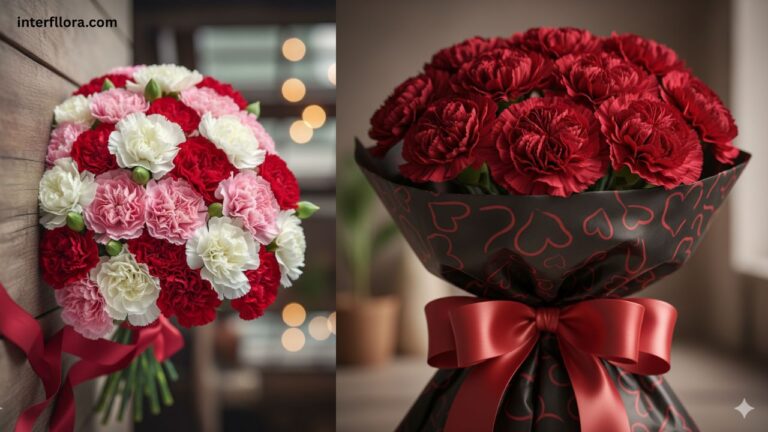
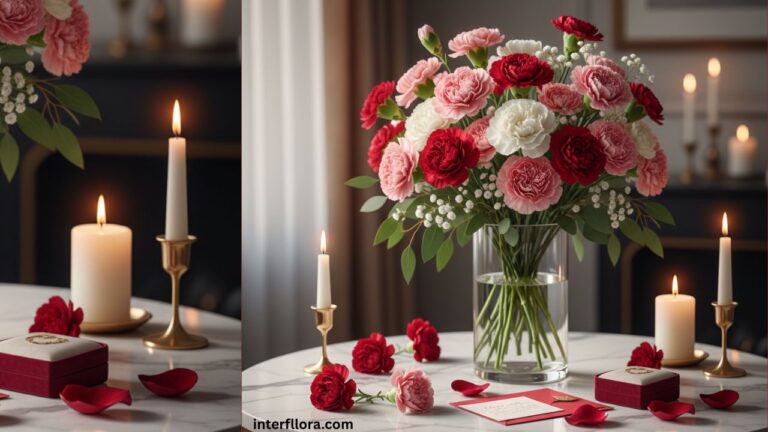
Red carnations pair beautifully with white roses, baby’s breath, and greenery. These combinations balance intensity with elegance, making them suitable for both celebratory and solemn arrangements.
Medicinal and Traditional Uses of Red Carnations
Historically, carnations have been used in traditional remedies. The petals were believed to have anti-inflammatory and calming properties. Herbal infusions made from carnation petals were used to relieve stress and promote emotional well-being. While modern medicine no longer relies on these uses, they contribute to the flower’s holistic significance.
Red Carnation in Modern Gifting Culture
In contemporary gifting, the red carnation represents sincerity and thoughtfulness. It is often chosen for occasions that require emotional depth without extravagance. Its affordability and durability make it accessible while maintaining symbolic richness.
How to Grow and Care for Red Carnations
Planting Requirements
Red carnations thrive in well-drained soil and full sunlight. They prefer moderate watering and benefit from good air circulation.
Maintenance and Longevity
With proper care, red carnations bloom abundantly and last long as cut flowers. Regular pruning encourages healthy growth and extended flowering periods.
Red Carnation vs Other Carnation Colors
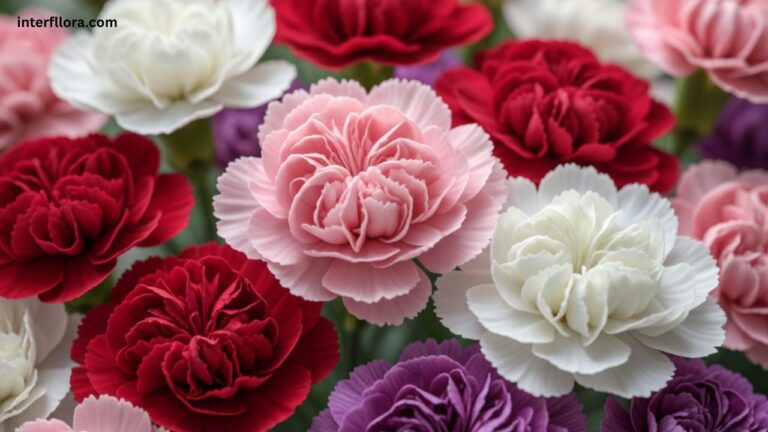
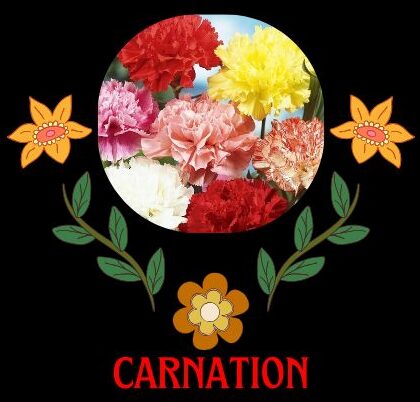
Compared to white, pink, or yellow carnations, the red carnation carries the strongest emotional weight. While other colors represent purity, gratitude, or friendship, red carnations stand apart as symbols of profound love and respect.
Conclusion
The red carnation flower remains a timeless symbol of deep emotion, devotion, and respect. Its rich history, cultural significance, and versatile use make it one of the most meaningful flowers in the world. Whether used to express love, honor a memory, or celebrate unity, the red carnation communicates a message that is both powerful and enduring.