How to Grow Pink Carnations at Home
Learn how to grow pink carnations at home with expert guidance on soil preparation, sunlight, watering, fertilization, pruning, and pest control. This complete home gardening guide helps you achieve healthy plants and long-lasting, vibrant pink blooms in gardens, pots, or indoor spaces.
Introduction
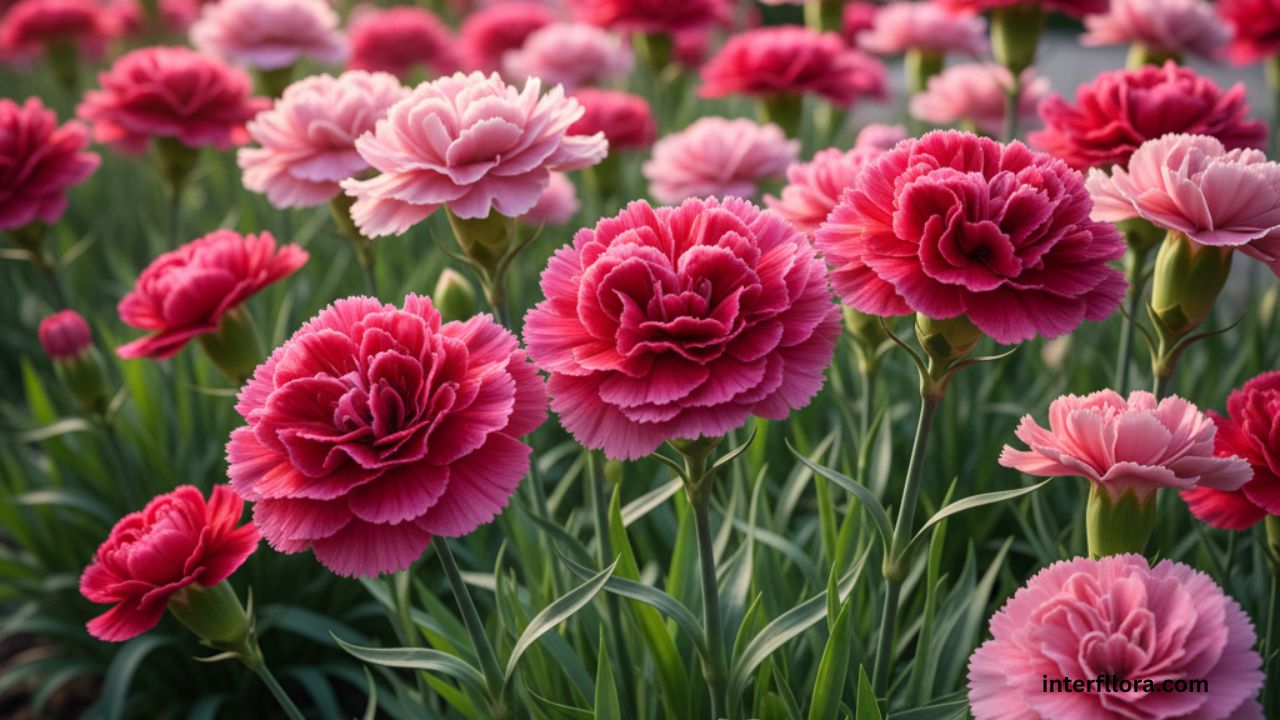
Growing pink carnations at home is a refined and rewarding horticultural practice that blends beauty, fragrance, and long-lasting blooms. These elegant flowers, cherished for their soft hues and symbolic meanings of admiration and affection, thrive exceptionally well when provided with the right balance of care, environment, and attention. We explore a complete, professional approach to cultivating pink carnations successfully in home gardens, balconies, terraces, or indoor spaces.
Understanding Pink Carnations and Their Growth Characteristics
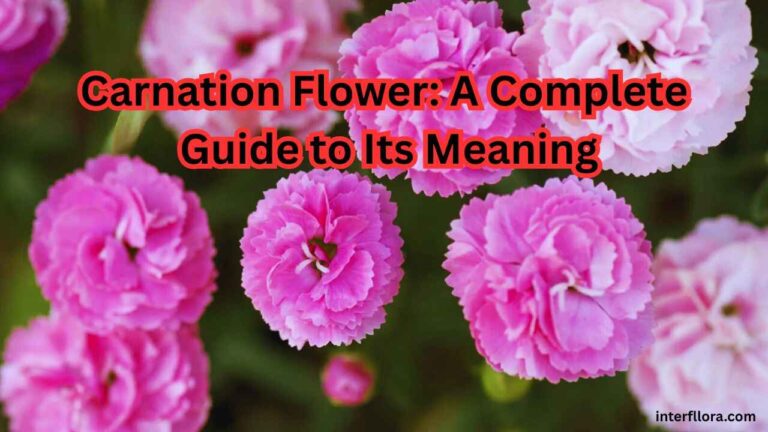
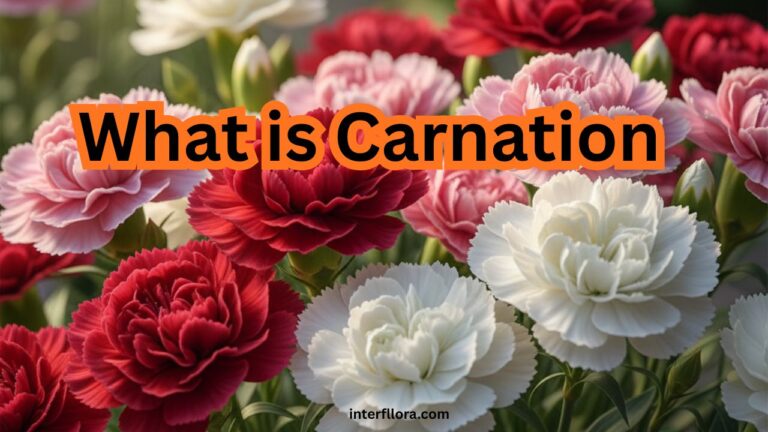
Pink carnations, botanically known as Dianthus caryophyllus, are perennial flowering plants celebrated for their ruffled petals and subtle clove-like fragrance. They exhibit excellent adaptability, making them ideal for home gardeners seeking consistent blooms throughout the growing season.
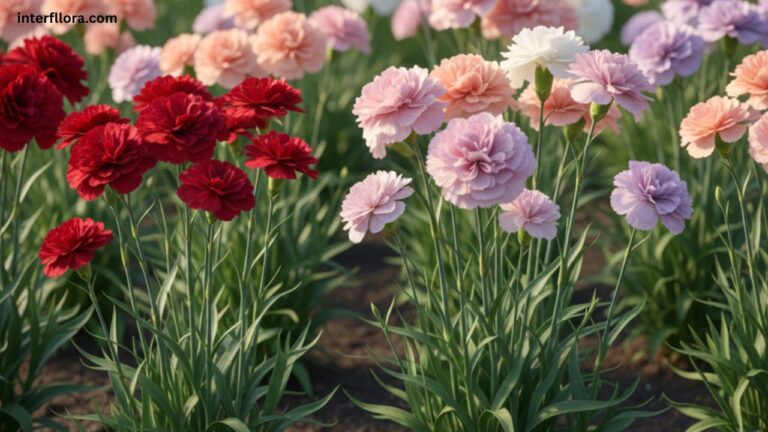
These plants typically grow between 12 and 24 inches tall and prefer moderate climates. Pink carnations are known for their resilience, but optimal flowering depends on understanding their growth cycle, soil preferences, and environmental requirements. When cultivated correctly, they produce abundant blooms suitable for decorative arrangements and ornamental displays.
Selecting the Right Variety of Pink Carnations
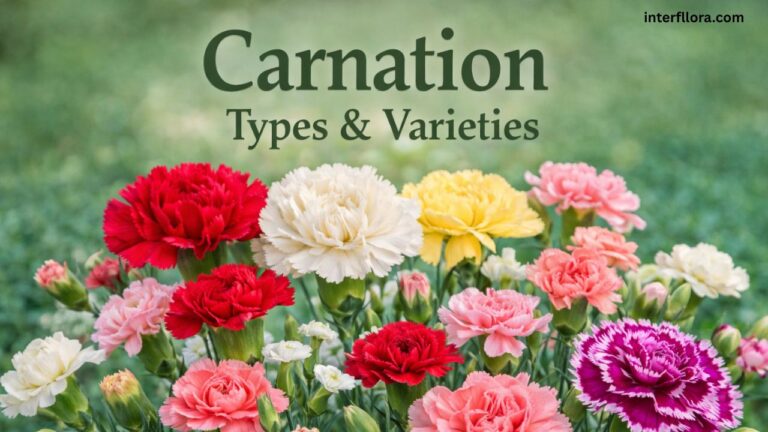
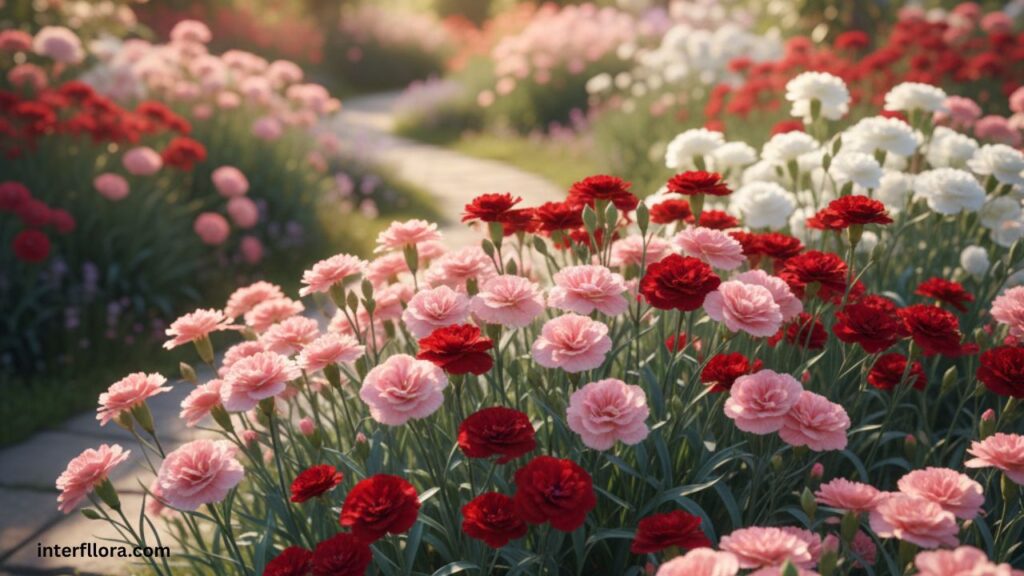
Choosing the appropriate variety is fundamental to successful cultivation. Pink carnations are available in standard, spray, and dwarf varieties, each offering unique growth habits and aesthetic appeal.
- Standard pink carnations produce a single large bloom per stem and are ideal for cut flowers.
- Spray pink carnations feature multiple smaller blooms per stem, offering a fuller visual effect.
- Dwarf pink carnations are compact and suitable for pots, window boxes, and indoor cultivation.
Selecting disease-resistant and climate-compatible varieties ensures vigorous growth and extended blooming periods.
Ideal Climate and Light Requirements
Pink carnations flourish best in cool to moderate climates with abundant sunlight. We recommend positioning plants where they receive at least 5–6 hours of direct sunlight daily. Morning sunlight is particularly beneficial, as it promotes healthy photosynthesis while reducing the risk of fungal diseases.
In warmer regions, partial afternoon shade helps prevent heat stress. Indoor growers should place pots near south-facing windows or supplement natural light with grow lights to maintain consistent exposure.
Soil Preparation and Optimal Growing Medium
Well-prepared soil forms the foundation of healthy pink carnations. These plants prefer well-draining, slightly alkaline soil with a pH range of 6.7 to 7.5. Heavy or waterlogged soil should be avoided, as it can cause root rot and inhibit nutrient absorption.
An ideal soil mix includes:
- Garden loam
- Organic compost or well-rotted manure
- Coarse sand or perlite for drainage
Thorough soil preparation ensures strong root development and sustained flowering performance.
Planting Pink Carnations Successfully
Pink carnations can be grown from seeds, cuttings, or nursery transplants. For home gardeners seeking quicker results, transplanting healthy seedlings is often the most reliable method.
Plant carnations with adequate spacing approximately 10 to 12 inches apart to allow proper air circulation. Crowded plants are more susceptible to pests and fungal infections. After planting, water thoroughly to help roots establish in the soil.
Watering Techniques for Healthy Growth
Consistent and balanced watering is critical. Pink carnations prefer moderate moisture levels, with soil allowed to dry slightly between watering sessions. Overwatering leads to root problems, while underwatering results in stunted growth and reduced flowering.
Water at the base of the plant rather than overhead to keep foliage dry. Early morning watering is recommended, ensuring moisture is available during the day while preventing prolonged dampness overnight.
Fertilization and Nutrient Management
To encourage lush foliage and vibrant pink blooms, carnations require regular feeding. We recommend applying a balanced, slow-release fertilizer during the growing season. A formulation such as 10-10-10 or 12-12-12 supports overall plant health.
Supplementing with liquid fertilizers every two to three weeks during active growth enhances bloom production. Avoid excessive nitrogen, as it promotes leafy growth at the expense of flowers.
Pruning and Deadheading for Continuous Blooming
Proper pruning significantly improves flower quality and plant longevity. Deadheading spent blooms encourages the plant to redirect energy toward new flower development. Regularly trimming weak or damaged stems enhances air circulation and reduces disease risk.
At the end of the flowering season, light pruning prepares the plant for dormancy or the next growth cycle, depending on climatic conditions.
Pest and Disease Prevention
Pink carnations are generally hardy but may occasionally face challenges from pests such as aphids, spider mites, and thrips. Regular inspection helps identify issues early. Natural remedies, including neem oil or insecticidal soap, effectively manage infestations without harming beneficial insects.
Fungal diseases like rust and powdery mildew can be prevented by maintaining proper spacing, ensuring good air circulation, and avoiding overhead watering. Healthy plants grown in optimal conditions rarely suffer severe problems.
Growing Pink Carnations in Pots and Containers
Container gardening is an excellent option for limited spaces. Choose pots with adequate drainage holes and use high-quality potting mix enriched with organic matter. Containers allow greater control over soil quality and moisture levels.
Position potted carnations in well-lit areas and rotate them periodically to ensure even growth. Container-grown plants may require more frequent watering and feeding compared to garden-grown specimens.
Seasonal Care and Overwintering
In cooler climates, pink carnations benefit from winter protection. Mulching around the base helps insulate roots from frost. Potted plants can be moved indoors or to sheltered locations during extreme cold.
In mild climates, carnations may continue blooming year-round with minimal care. Seasonal adjustments in watering and fertilization support long-term plant health and sustained flowering.
Harvesting and Using Pink Carnation Blooms
Harvesting pink carnations at the right stage ensures maximum vase life. Cut flowers early in the morning when buds are partially open. Use clean, sharp tools to avoid damaging stems.
Freshly cut carnations are ideal for floral arrangements, home décor, and special occasions. Their long-lasting blooms and delicate fragrance make them a preferred choice for both casual and formal settings.
Conclusion
Cultivating pink carnations at home is a gratifying endeavor that rewards gardeners with graceful blooms, vibrant color, and enduring beauty. With proper attention to soil preparation, sunlight, watering, and maintenance, these elegant flowers thrive effortlessly in home environments. By following professional cultivation practices, we ensure healthy plants, abundant blooms, and a visually captivating garden space that reflects refinement and care.