How to Grow Carnations in Pots at Home (Easy Step-by-Step)
Learn how to grow carnations in pots at home with this easy step-by-step guide. Discover the best soil, sunlight, watering, and care tips for healthy, long-lasting blooms.
Introduction
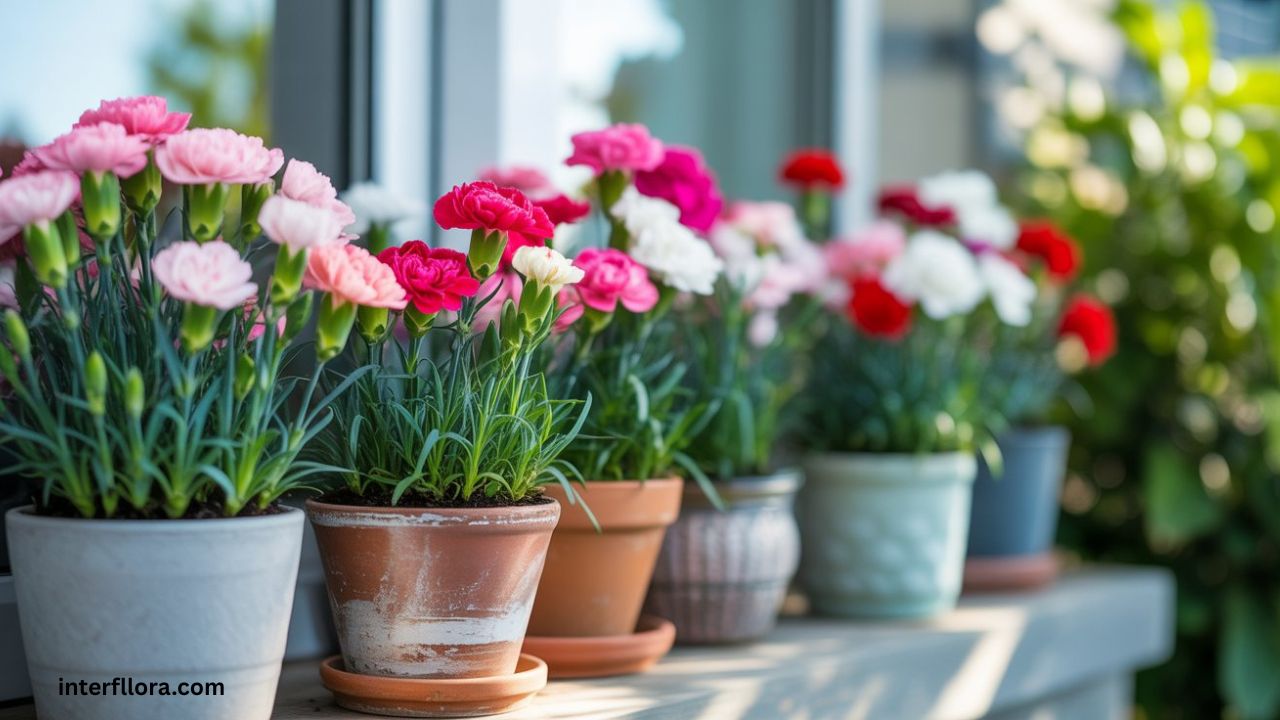
Growing carnations in pots at home is one of the most rewarding ways to add long-lasting color, fragrance, and elegance to balconies, patios, windowsills, and indoor garden spaces. We can successfully cultivate healthy, blooming carnations in containers by following a structured, practical approach that focuses on soil quality, sunlight, watering discipline, and seasonal care. This comprehensive guide explains everything needed to grow carnations in pots easily and effectively, even for beginners.
Understanding Carnations and Their Growth Habits
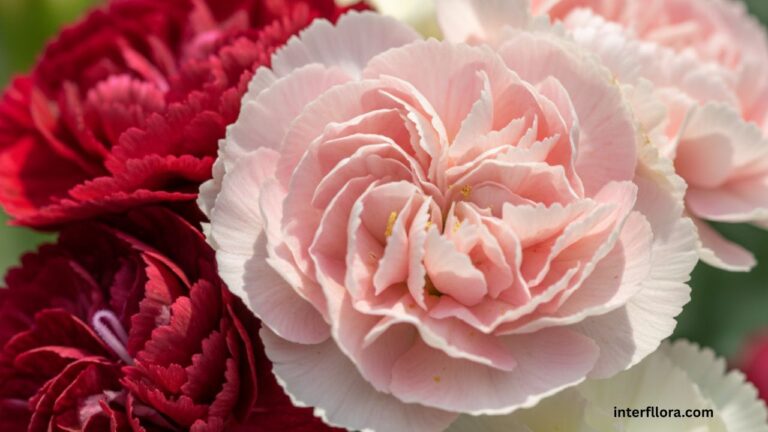
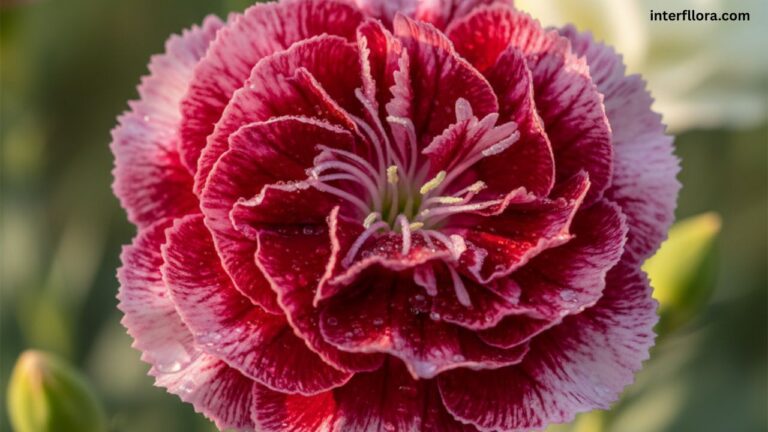
Carnations (Dianthus caryophyllus) are prized for their ruffled petals, vibrant colors, and subtle clove-like fragrance. They are compact, adaptable flowering plants that thrive exceptionally well in containers. When grown in pots, carnations remain manageable in size, develop strong root systems, and produce abundant blooms under the right conditions.
Carnations prefer cool to moderate temperatures, making them ideal for home gardeners who want reliable flowering plants without excessive maintenance. Their growth cycle includes vegetative development, bud formation, flowering, and light dormancy. When we understand this cycle, we can time watering, feeding, and pruning correctly to extend bloom duration and plant health.
Choosing the Right Carnation Varieties for Pots
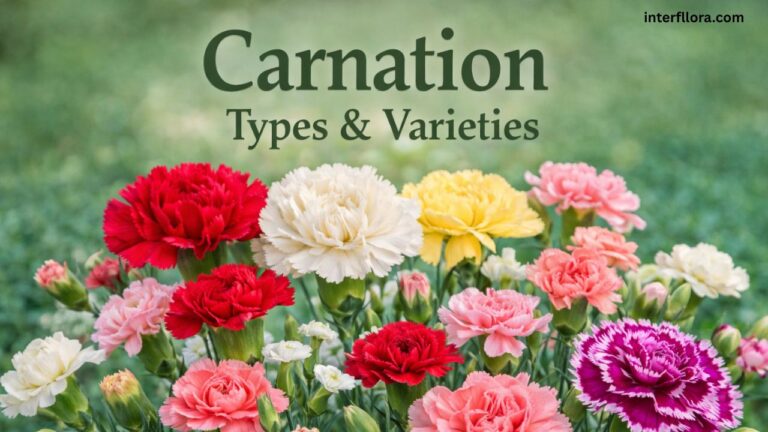
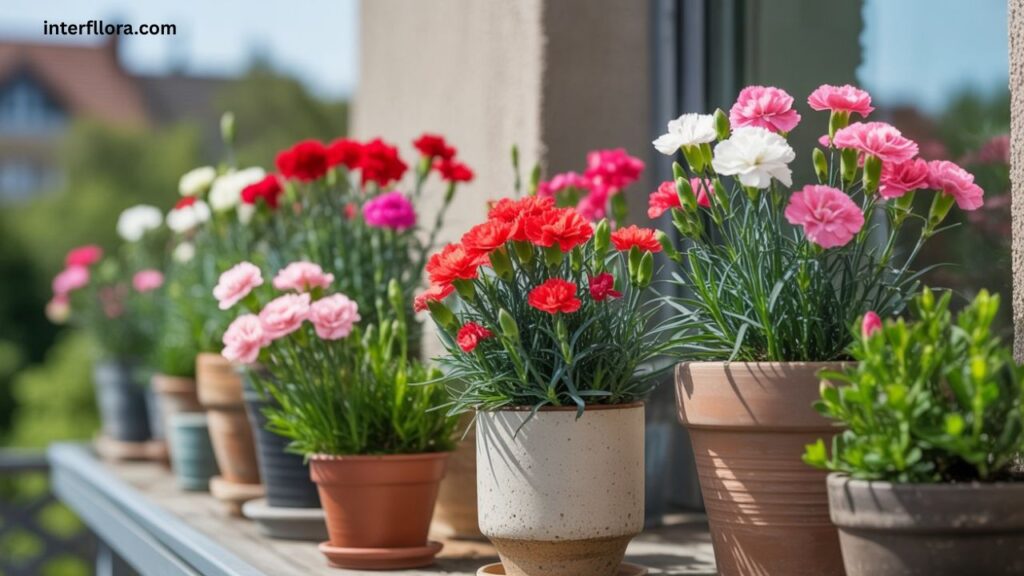
Selecting the correct variety is essential for container gardening success. Not all carnations perform equally well in pots, so we recommend choosing compact and dwarf varieties.
The best carnation varieties for pots include
- Dwarf carnations
- Miniature carnations
- Border carnations
- Perpetual flowering carnations
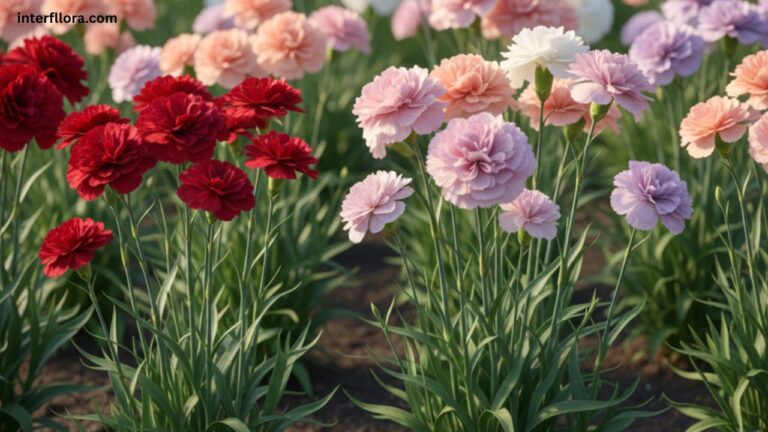
These varieties grow between 10 and 18 inches tall, making them ideal for containers. They also bloom repeatedly when properly maintained. Color options range from classic white and pink to red, yellow, purple, and bi-color varieties, allowing us to design visually appealing container arrangements.
Selecting the Ideal Pot and Container Size
The right container directly influences plant health and flowering potential. Carnations require adequate root space and excellent drainage to thrive.
Container selection guidelines:
- Choose pots at least 8–10 inches deep and wide
- Ensure multiple drainage holes at the bottom
- Use clay, ceramic, or plastic pots with good airflow
- Avoid shallow or decorative containers without drainage
A well-sized pot prevents waterlogging, promotes oxygen circulation to roots, and supports strong stem development. For multiple plants, we should space carnations at least 6–8 inches apart in wider containers.
Preparing the Perfect Soil Mix for Carnations
Soil quality is the foundation of successful carnation growth. Carnations prefer well-draining, nutrient-rich soil with a slightly alkaline to neutral pH.
Ideal soil mix for potted carnations:
- 40% garden soil
- 30% compost or well-rotted organic matter
- 20% coarse sand or perlite
- 10% coco peat or peat moss
This combination ensures excellent drainage while retaining enough moisture for steady growth. Adding a small amount of crushed eggshells or garden lime helps maintain optimal pH levels and strengthens plant stems.
Planting Carnations in Pots Step by Step
Planting carnations correctly ensures early establishment and long-term success. We recommend planting during early spring or mild autumn.
Step-by-step planting process:
- Fill the pot with prepared soil mix, leaving space at the top
- Place the carnation seedling or cutting in the center
- Position roots gently and cover with soil
- Firm the soil lightly without compacting
- Water thoroughly until excess drains out
After planting, place the pot in a sheltered location for a few days to allow roots to settle before full sun exposure.
Sunlight Requirements for Healthy Blooming
Carnations thrive in bright, direct sunlight. Proper sun exposure is critical for bud formation and flower color intensity.
Sunlight guidelines:
- Minimum 5–6 hours of direct sunlight daily
- Morning sunlight is ideal
- Light afternoon shade in very hot climates
Insufficient sunlight leads to weak stems, reduced flowering, and pale foliage. When grown indoors, place pots near a south- or west-facing window or supplement with grow lights.
Watering Carnations the Right Way
Proper watering is essential to prevent root rot and fungal diseases. Carnations prefer consistently moist but never soggy soil.
Best watering practices:
- Water when the top inch of soil feels dry
- Avoid overhead watering
- Ensure excess water drains freely
- Reduce watering during cooler months
Overwatering is the most common mistake when growing carnations in pots. Controlled, deep watering encourages deeper root growth and stronger plants.
Fertilizing Potted Carnations for Continuous Blooms
Carnations are moderate feeders and respond well to regular nutrition. Fertilizing improves flower size, color vibrancy, and bloom frequency.
Fertilizer recommendations:
- Use a balanced liquid fertilizer (10-10-10) every 2–3 weeks
- Apply during active growth and flowering periods
- Avoid excessive nitrogen, which promotes foliage over flowers
Organic alternatives such as compost tea or diluted fish emulsion also support healthy growth without chemical buildup.
Pruning and Deadheading for More Flowers
Pruning plays a vital role in extending the blooming season. Removing spent flowers directs energy into new buds instead of seed production.
Pruning tips:
- Deadhead faded blooms regularly
- Trim leggy stems to maintain compact shape
- Cut back after major flowering cycles
Proper pruning encourages bushier growth, improved airflow, and repeated flowering throughout the season.
Managing Temperature and Seasonal Care
Carnations prefer cool to moderate temperatures, typically between 50°F and 75°F (10°C–24°C).
Seasonal care tips:
- Protect pots from extreme heat
- Move containers indoors during frost
- Reduce watering in winter
- Provide ventilation for indoor plants
In colder climates, potted carnations can be overwintered indoors near bright windows to resume blooming in spring.
Preventing Common Pests and Diseases
Healthy carnations are relatively resistant, but container-grown plants may encounter occasional issues.
Common problems include:
- Aphids
- Spider mites
- Fungal leaf spots
- Root rot from overwatering
Regular inspection, good airflow, and proper watering prevent most problems. Neem oil or insecticidal soap effectively controls pests without harming beneficial insects.
Encouraging Longer and More Vibrant Blooms
To maximize flowering potential, we should maintain consistency in care. Balanced nutrition, sunlight, pruning, and watering work together to keep carnations blooming for months.
Key bloom-boosting strategies:
- Maintain stable growing conditions
- Avoid sudden temperature changes
- Rotate pots for even light exposure
- Refresh soil annually
With attentive care, potted carnations can flower continuously and remain attractive year-round.
Conclusion
Growing carnations in pots at home is a practical and rewarding gardening experience that combines beauty with simplicity. By choosing the right varieties, preparing quality soil, providing adequate sunlight, and following disciplined watering and feeding routines, we can enjoy lush foliage and abundant blooms in limited spaces. Container gardening allows flexibility, mobility, and year-round enjoyment of carnations, making them an excellent choice for both beginners and experienced gardeners seeking reliable flowering plants.