How to Grow and Care for Carnations: 5 Easy Steps for Beginners
Learn how to grow and care for carnations with this beginner-friendly guide. Discover easy planting tips, watering methods, pruning advice, and pest control steps to enjoy healthy plants and long-lasting blooms all season long.
Understanding Carnations
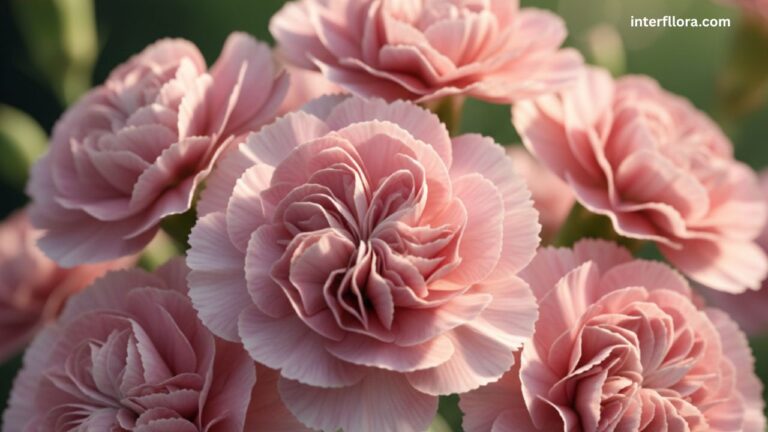
Carnations have earned their place as one of the most beloved flowering plants in gardens around the world. We often associate them with elegance, long-lasting blooms, and a subtle fragrance that feels both nostalgic and timeless. These flowers have been cultivated for over two thousand years, and their enduring popularity is not accidental. Carnations are resilient, adaptable, and surprisingly easy to grow, making them an ideal choice for beginners who want reliable results without constant struggle.
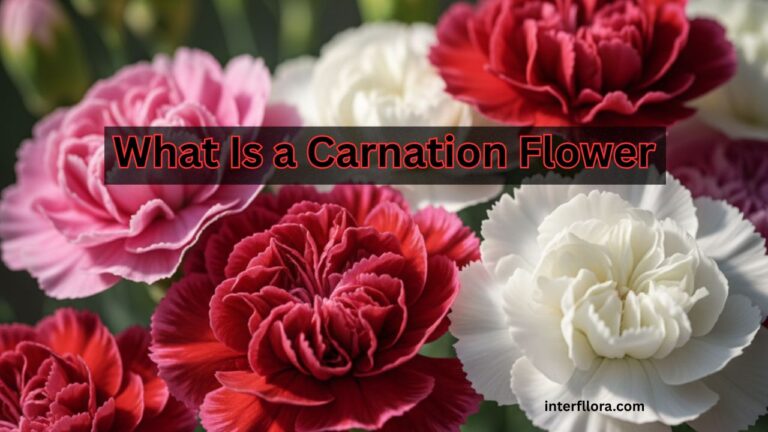
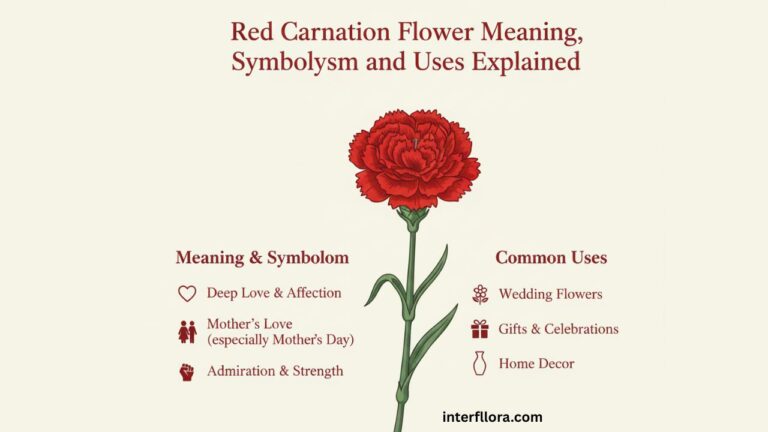
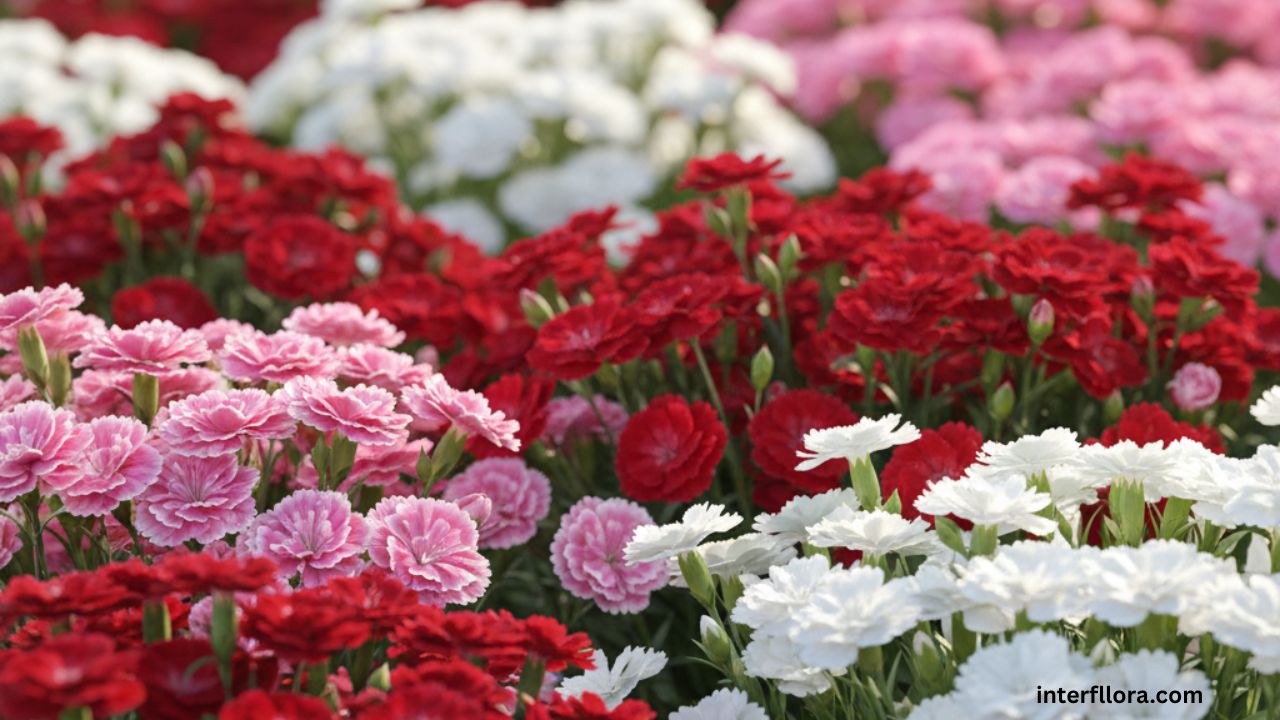
What makes carnations especially appealing is their versatility. We can grow them in garden beds, borders, containers, and even indoors with the right conditions. Their ruffled petals and wide range of colors from soft pastels to bold reds and deep purples allow gardeners to express creativity while maintaining structure and harmony in their landscape. Beyond beauty, carnations symbolize love, admiration, and resilience, which adds emotional value to growing them at home.
For beginners, carnations provide a gentle learning curve. They are forgiving of minor mistakes, tolerant of varied climates, and capable of producing blooms for extended periods when cared for properly. Unlike many delicate flowering plants, carnations do not demand constant attention. Instead, they reward consistency and basic care with lush foliage and continuous flowers. This balance between effort and reward is exactly why we recommend carnations as a starting point for anyone new to gardening.
Types of Carnations Every Beginner Should Know
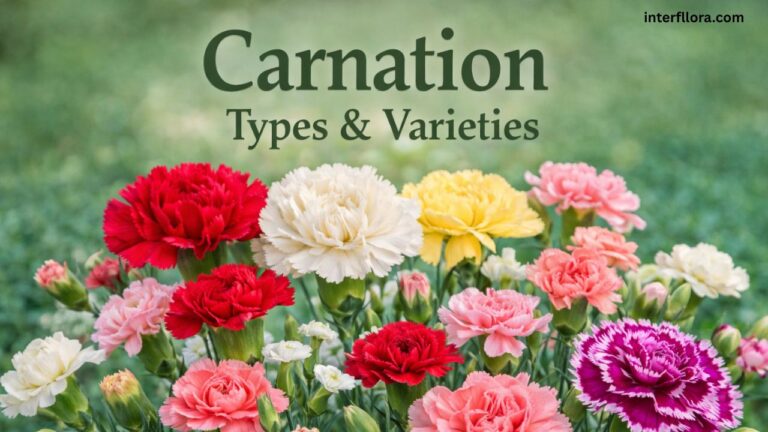
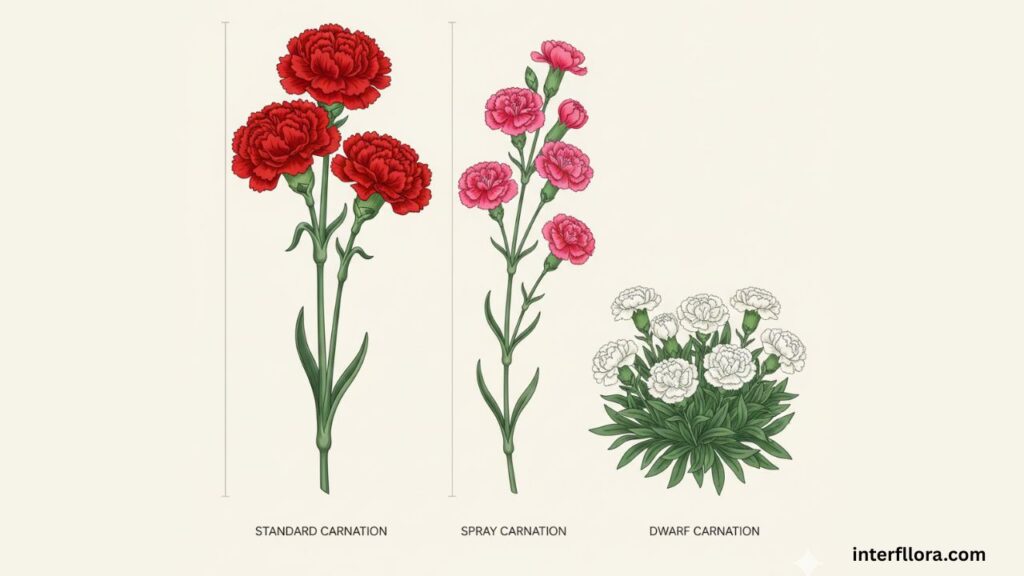
Before planting carnations, we benefit greatly from understanding the main types available. Each type has unique growth habits, bloom styles, and care needs, which influence how we plan and maintain our garden space. The three most common types are standard carnations, spray carnations, and dwarf carnations.
Standard carnations are the classic variety most people recognize. They produce one large, showy bloom per stem and are often used in floral arrangements. These carnations grow taller and require staking, but they offer impressive flowers that last a long time both on the plant and after cutting. Spray carnations, on the other hand, produce multiple smaller blooms on each stem. This makes them appear fuller and bushier, adding volume and texture to garden beds and bouquets alike.
Dwarf carnations are compact and well-suited for containers and edging. We often recommend these varieties for beginners with limited space or those who prefer low-maintenance plants. They require less staking, adapt well to pots, and still deliver vibrant blooms. Understanding these distinctions allows us to choose the right carnation type for our growing environment and personal preferences, ensuring better success from the start.
Choosing the Right Carnation Varieties for Your Garden
Selecting the right carnation variety is one of the most important decisions we make as beginners. Climate plays a significant role, as some varieties perform better in cooler regions while others tolerate warmer conditions. Carnations generally prefer mild temperatures and thrive in areas with cool nights and moderate daytime warmth. We should always check variety descriptions to ensure compatibility with our local climate.
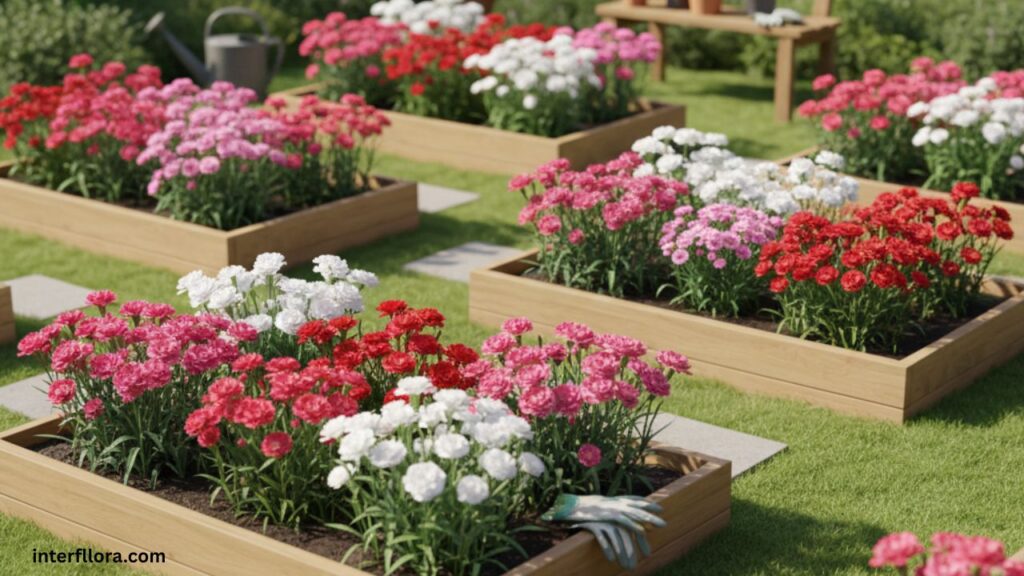
Color choice is another consideration. Carnations are available in nearly every shade imaginable, and many gardeners select colors based on landscape design or personal taste. Some varieties are bred specifically for continuous blooming, while others focus on fragrance or stem strength. We also need to decide between annual and perennial carnations. Annuals bloom heavily in their first season, while perennials return year after year with proper care.
By matching variety traits with our garden conditions and expectations, we reduce frustration and increase enjoyment. This thoughtful selection process sets the foundation for healthy plants and abundant blooms throughout the growing season.
Step 1: Selecting the Perfect Location for Growing Carnations
Location is everything when growing carnations successfully. We must prioritize sunlight, airflow, and accessibility. Carnations require at least six hours of direct sunlight daily to produce strong stems and vibrant flowers. Morning sun is particularly beneficial, as it dries dew quickly and reduces the risk of fungal diseases.
Good air circulation is equally important. Crowded or poorly ventilated areas trap moisture, which can lead to mildew and rot. Whether planting in the ground or containers, we should ensure enough space between plants to allow air to move freely. When grown indoors, placing carnations near a bright window with occasional ventilation supports healthy growth.
Choosing the right location also simplifies maintenance. Easy access makes watering, pruning, and monitoring pests more manageable. By starting with an optimal spot, we eliminate many common issues before they arise and give our carnations the best possible start.
Soil Preparation for Healthy Carnation Growth
Carnations thrive in well-draining soil that balances moisture retention with aeration. Heavy clay soils hold too much water, while sandy soils drain too quickly. We achieve ideal conditions by amending garden soil with organic matter such as compost or aged manure. This improves structure, nutrient content, and drainage simultaneously.
Soil pH is another critical factor. Carnations prefer slightly alkaline soil, typically between 6.7 and 7.5. Testing soil before planting allows us to make adjustments using lime or other amendments if needed. Proper soil preparation reduces stress on plants and supports strong root development.
Healthy soil acts as a buffer against environmental fluctuations. It stores nutrients, regulates moisture, and supports beneficial microorganisms. By investing time in soil preparation, we create a stable environment that supports consistent growth and flowering throughout the season.
Step 2: Planting Carnations the Right Way
Planting carnations correctly ensures strong establishment and long-term success. Timing matters, and we should plant after the danger of frost has passed in spring or during mild autumn weather in warmer regions. Carnations can be started from seeds, cuttings, or nursery transplants, with each method offering different advantages.
When planting, we must pay close attention to spacing. Carnations need room to grow, and overcrowding leads to weak stems and disease. Typically, spacing plants 8 to 12 inches apart works well. The planting hole should be deep enough to accommodate the root ball without burying the stem too deeply.
Firming the soil gently around the roots eliminates air pockets and provides stability. Watering immediately after planting helps settle the soil and reduces transplant shock. These simple but precise steps create the conditions needed for rapid establishment and healthy growth.
Watering Carnations for Consistent Blooms
Water management plays a decisive role in the health and flowering performance of carnations. We must strike a careful balance, as carnations prefer evenly moist soil but react poorly to excess water. Overwatering leads to root rot and fungal diseases, while underwatering causes weak growth and reduced blooming. The key is consistency rather than volume.
During the active growing season, we should water carnations deeply once or twice a week, depending on temperature and soil drainage. Deep watering encourages roots to grow downward, making plants more resilient during dry spells. Shallow, frequent watering should be avoided, as it promotes weak root systems and surface moisture that attracts disease.
Monitoring the soil is essential. When the top inch of soil feels dry to the touch, it is time to water. In hotter months, carnations may require more frequent watering, especially when grown in containers. During cooler periods, watering frequency should be reduced to prevent soggy conditions. By adapting our watering routine to seasonal changes, we maintain optimal moisture levels that support steady growth and abundant blooms.
Step 3: Feeding and Fertilizing Carnations
Proper nutrition is essential for carnations to produce strong stems, lush foliage, and long-lasting flowers. We recommend using a balanced, slow-release fertilizer at the beginning of the growing season to support overall plant development. A fertilizer with equal parts nitrogen, phosphorus, and potassium promotes steady growth without excessive leaf production.
Throughout the season, carnations benefit from light supplemental feeding every four to six weeks. Liquid fertilizers diluted to half strength work well, especially for container-grown plants. Organic options such as compost tea or fish emulsion provide gentle nourishment while improving soil health over time.
Over-fertilization must be avoided, as it leads to excessive foliage at the expense of blooms. Signs of nutrient imbalance include weak stems, pale leaves, and reduced flowering. By following a consistent and moderate feeding schedule, we ensure carnations receive the nutrients they need without stress, resulting in healthier plants and more vibrant flowers.
Mulching and Weed Control for Carnation Beds
Mulching is a simple yet powerful practice that enhances carnation care. A layer of organic mulch helps regulate soil temperature, retain moisture, and suppress weed growth. We recommend applying mulch after planting once the soil has warmed, using materials such as shredded bark, straw, or compost.
Weeds compete with carnations for nutrients, water, and sunlight. Keeping beds weed-free allows carnations to establish quickly and grow vigorously. Hand-pulling weeds regularly is effective, especially when soil is moist. Mulch reduces weed germination, minimizing maintenance and preserving soil structure.
In addition to weed control, mulch improves soil quality as it decomposes. This slow release of nutrients supports long-term plant health. Maintaining a mulch layer of two to three inches provides optimal benefits without suffocating the plants.
Step 4: Pruning and Deadheading Carnations
Pruning and deadheading are essential techniques for maintaining attractive, productive carnation plants. Deadheading involves removing spent flowers before they set seed. This redirects energy back into flower production rather than seed development, resulting in continuous blooming.
We should use clean, sharp scissors or pruning shears to remove faded blooms just above a healthy set of leaves. Regular deadheading keeps plants tidy and encourages new buds to form. Light pruning throughout the season also helps maintain a compact shape and improves airflow around the plant.
At the end of the blooming cycle, a more thorough pruning prepares carnations for rest or regrowth. Removing weak or damaged stems strengthens the plant structure and reduces disease risk. Consistent pruning practices lead to healthier plants and more impressive floral displays.
Supporting Carnation Plants as They Grow
Some carnation varieties produce tall stems that require support, especially when laden with blooms. Staking prevents bending and breakage caused by wind or heavy flowers. We recommend installing stakes early in the growing season to avoid damaging roots later.
Soft plant ties or garden twine should be used to secure stems loosely, allowing natural movement while providing stability. For spray and dwarf varieties, support may be minimal or unnecessary, but monitoring plant posture ensures timely intervention when needed.
Providing support not only protects the plant but also enhances visual appeal. Upright stems display flowers more prominently and maintain a neat, professional appearance in garden beds and containers.
Step 5: Protecting Carnations From Pests and Diseases
Carnations are generally hardy, but they can be affected by pests such as aphids, spider mites, and thrips. Regular inspection allows us to detect issues early. Washing pests off with water or using insecticidal soap effectively controls infestations without harming beneficial insects.
Fungal diseases like rust and powdery mildew occur in damp, poorly ventilated conditions. Preventive measures include proper spacing, adequate airflow, and watering at the base rather than overhead. Removing affected plant parts promptly prevents disease spread.
Maintaining garden hygiene is crucial. Cleaning tools, removing debris, and rotating planting locations reduce the risk of recurring problems. Healthy plants resist pests and diseases more effectively, making prevention our most valuable strategy.
Seasonal Care Tips for Long-Lasting Carnations
Seasonal adjustments ensure carnations remain healthy year-round. In summer, we should provide consistent watering and protect plants from extreme heat using shade cloth if necessary. Mulching helps stabilize soil temperatures during hot periods.
In winter, perennial carnations benefit from light protection in colder climates. Applying mulch around the base insulates roots and prevents frost damage. Container plants can be moved to sheltered areas to avoid freezing temperatures.
Preparing carnations for seasonal transitions strengthens their resilience. Gradual adjustments rather than abrupt changes help plants adapt smoothly and continue performing well.
Growing Carnations in Pots and Containers
Container gardening offers flexibility and control, making it an excellent option for beginners. We should choose containers with adequate drainage holes and use high-quality potting mix to ensure proper aeration and moisture balance.
Potted carnations require more frequent watering and feeding due to limited soil volume. Positioning containers in sunny locations maximizes flowering potential. Rotating pots occasionally ensures even light exposure.
Container-grown carnations bring color to patios, balconies, and indoor spaces. With attentive care, they perform just as beautifully as garden-grown plants.
Common Mistakes Beginners Make When Growing Carnations
One common mistake is planting carnations in poorly draining soil. This leads to root issues and weak growth. Another frequent error is inconsistent watering, which stresses plants and reduces bloom quality.
Neglecting deadheading and pruning limits flowering potential. Overcrowding plants restricts airflow and increases disease risk. By recognizing and correcting these mistakes early, we improve outcomes significantly.
Learning from experience is part of gardening. Awareness of common pitfalls helps beginners build confidence and achieve better results with each season.
Conclusion: Growing Carnations With Confidence
Growing carnations is a rewarding experience that combines beauty, simplicity, and reliability. By following these five easy steps choosing the right location, preparing soil, planting correctly, maintaining proper care, and protecting plants, we establish a strong foundation for success. Carnations respond generously to consistent attention and thoughtful maintenance, offering long-lasting blooms and visual elegance. With patience and practice, we cultivate not only flowers but also confidence and satisfaction in our gardening journey.