How to Dry Carnations in 10 Easy Ways at Home
Learn how to dry carnations at home using 10 easy, proven methods. Preserve color, shape, and beauty with simple tools and step-by-step techniques.
Introduction to Drying Carnations at Home
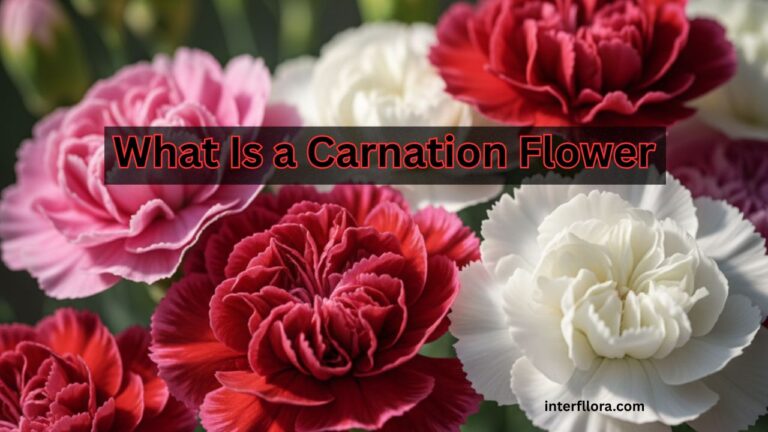
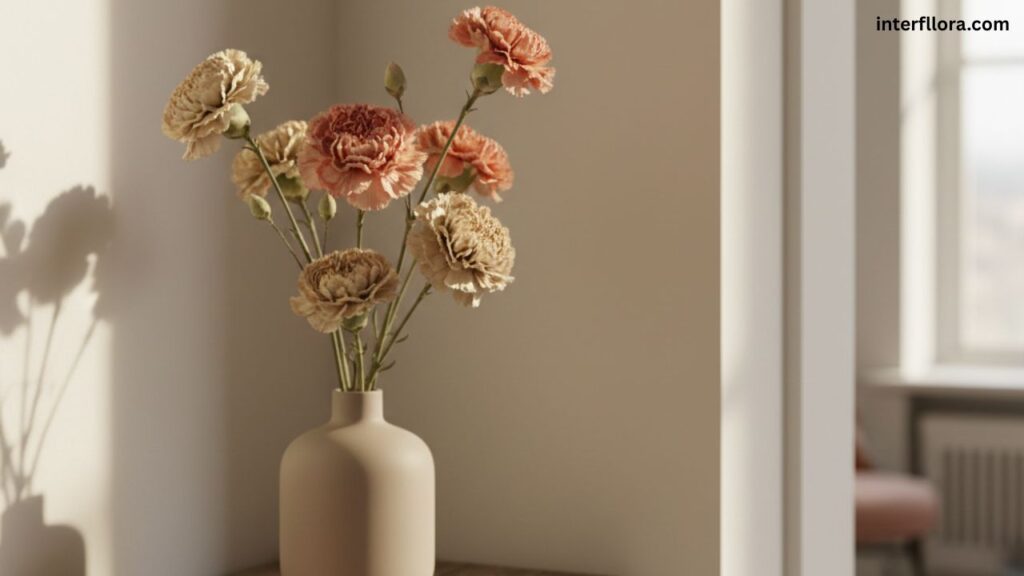
Drying carnations at home is both an art and a practical skill that allows us to preserve the charm of these timeless flowers long after their fresh bloom fades. Carnations have long been admired for their ruffled petals, vibrant colors, and symbolic meanings ranging from love and admiration to remembrance. When dried properly, they retain much of their beauty and become versatile decorative elements suitable for home décor, crafts, gifts, and sentimental keepsakes.
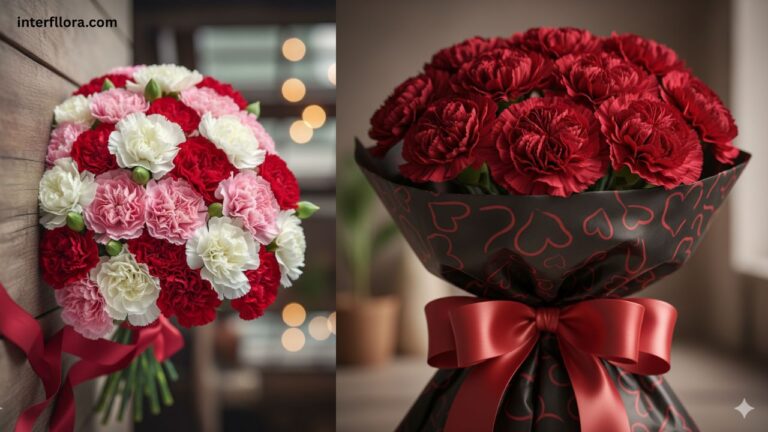
We often find ourselves with bouquets from special occasions weddings, anniversaries, or heartfelt gestures—that we simply cannot throw away. Learning how to dry carnations at home gives us the power to transform fleeting beauty into something lasting. The process does not require professional equipment or advanced skills. With patience, proper techniques, and a little creativity, we can achieve professional-looking results right from our living spaces.
Drying carnations also opens the door to sustainable decorating. Instead of buying artificial flowers or repeatedly purchasing fresh ones, dried carnations provide an eco-friendly alternative that looks elegant and natural. From rustic arrangements to modern minimalist designs, dried carnations fit seamlessly into a wide range of aesthetics. This comprehensive guide walks through ten easy, effective, and proven methods to dry carnations at home while preserving their structure, color, and emotional value.
Why Dry Carnations Instead of Fresh Storage
Fresh carnations, no matter how well cared for, have a limited lifespan. Even with clean water, floral preservatives, and regular trimming, they eventually wilt and lose their appeal. Drying carnations allows us to bypass this natural decay and extend their usability for months or even years. Instead of watching cherished flowers fade day by day, drying transforms them into lasting decorative or sentimental pieces.
Another advantage of drying carnations is versatility. Fresh flowers demand constant attention, water changes, and temperature control. Dried carnations, on the other hand, require minimal maintenance. Once dried, they can be used in wreaths, potpourri, framed art, resin crafts, or table centerpieces without ongoing care. This makes them ideal for busy households or long-term decorative projects.
Cost efficiency also plays a role. By drying carnations at home, we eliminate the need to purchase preserved flowers or pay for professional preservation services. The methods outlined in this guide rely on common household items, making the process accessible and affordable. Drying carnations is not just about preservation; it is about maximizing value, reducing waste, and turning meaningful moments into lasting memories.
Understanding Carnations Before Drying
Types of Carnations That Dry Best
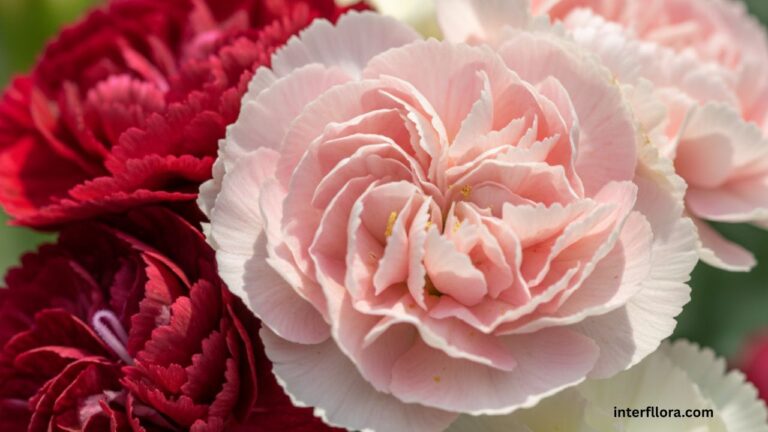
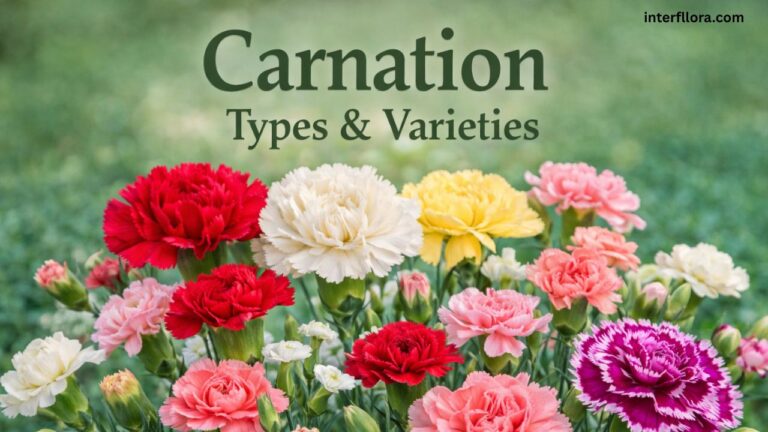
Not all carnations dry the same way, and understanding the variety we are working with makes a noticeable difference in the final result. Standard carnations with dense, full petals tend to dry better than extremely delicate or hybrid varieties. Their thicker petals hold structure well and are less prone to crumbling during the drying process.
Spray carnations, which feature multiple smaller blooms on a single stem, also dry beautifully when handled carefully. Their compact size allows for even moisture loss, reducing the risk of mold or discoloration. Choosing healthy, blemish-free flowers is essential. Carnations with brown edges, bruising, or disease will not improve during drying and may deteriorate further.
Color is another consideration. Deep reds, pinks, purples, and whites generally retain their appearance better than pale yellows or light pastels, which may fade more noticeably. Selecting the right carnation type sets the foundation for successful drying and long-lasting beauty.
When to Harvest Carnations for Drying
Timing plays a critical role in drying carnations effectively. Carnations should be harvested at their peak bloom, when the petals are fully open but still firm and vibrant. Flowers that are too young may shrivel, while overmature blooms may drop petals during drying.
The best time to cut carnations is in the morning, after dew has evaporated but before the heat of the day sets in. At this time, the flowers are fully hydrated and structurally strong. Using clean, sharp scissors or pruning shears prevents stem damage and reduces the risk of bacterial contamination. Proper timing ensures that the drying process starts with the healthiest possible blooms.
Preparation Before Drying Carnations
Tools and Materials You Will Need
Before beginning any drying method, gathering the right tools streamlines the process and prevents unnecessary interruptions. Common items include scissors, twine or rubber bands, paper towels, airtight containers, silica gel, sand, or glycerin depending on the chosen method. For microwave or oven drying, heat-safe containers are essential.
Clean, dry workspace conditions are equally important. Moisture and dust can compromise drying results, leading to mold or discoloration. Having all materials ready ensures consistency and helps us focus on proper technique rather than scrambling for supplies mid-process.
Cleaning and Prepping Carnation Blooms
Preparation begins with gently removing excess leaves from the stems. Leaves retain moisture and slow the drying process, increasing the risk of decay. Lightly shaking the blooms removes dust or insects. If necessary, we can rinse the flowers briefly with water and pat them dry thoroughly using paper towels.
Trimming stems to the desired length beforehand avoids handling dried flowers later, which can cause breakage. Proper preparation lays the groundwork for even drying, vibrant color retention, and long-term durability.
10 Easy and Effective Ways to Dry Carnations at Home
1. Air Drying Carnations Naturally
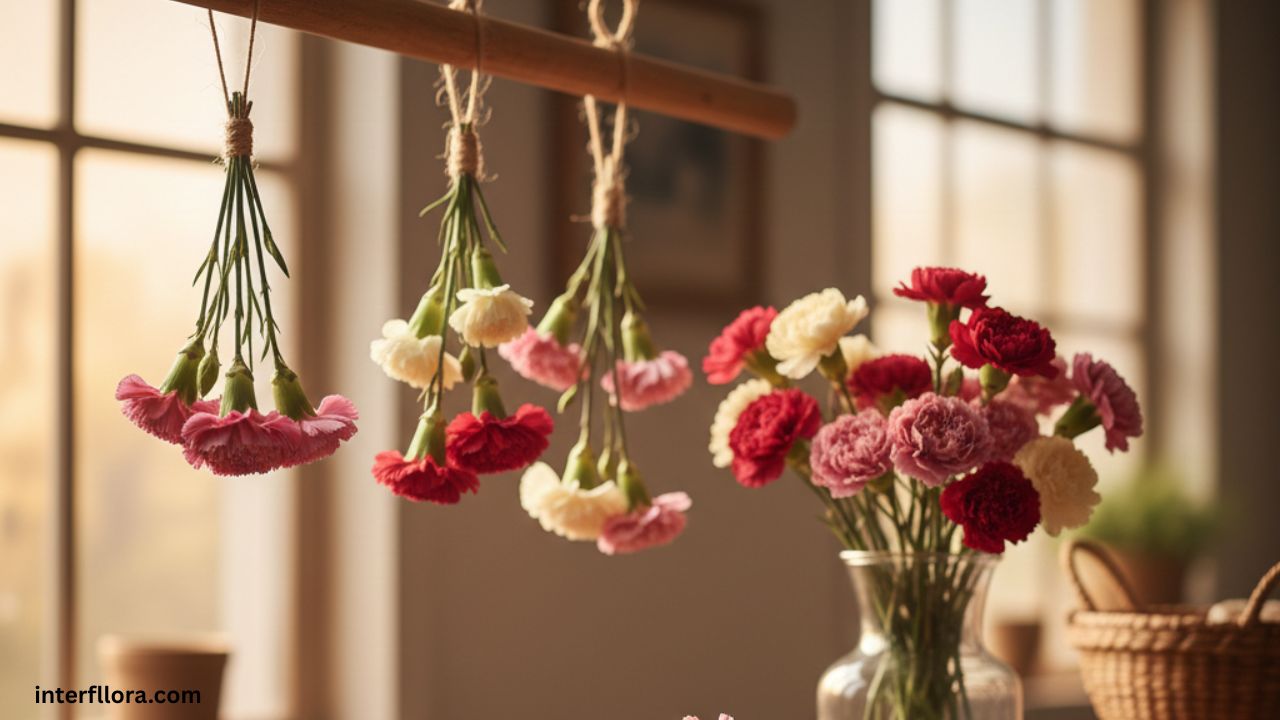
Air drying is one of the simplest and most traditional methods. We tie small bunches of carnations together and hang them upside down in a dark, dry, and well-ventilated area. Darkness helps preserve color, while airflow prevents mold.
This method takes two to three weeks, depending on humidity levels. Air drying works best for rustic arrangements and crafts where a slightly natural, textured appearance is desirable.
2. Hanging Carnations Upside Down
Similar to air drying, hanging carnations upside down individually allows better shape retention. Each stem is tied separately, ensuring petals dry evenly. This method is ideal for preserving long stems for vases or floral displays.
3. Press Drying Carnations for Crafts
Press drying involves placing carnation blooms between absorbent paper inside heavy books or a flower press. This method flattens the flowers, making them perfect for scrapbooking, cards, or framed art. While shape is lost, color often remains vibrant.
4. Using Silica Gel to Preserve Shape
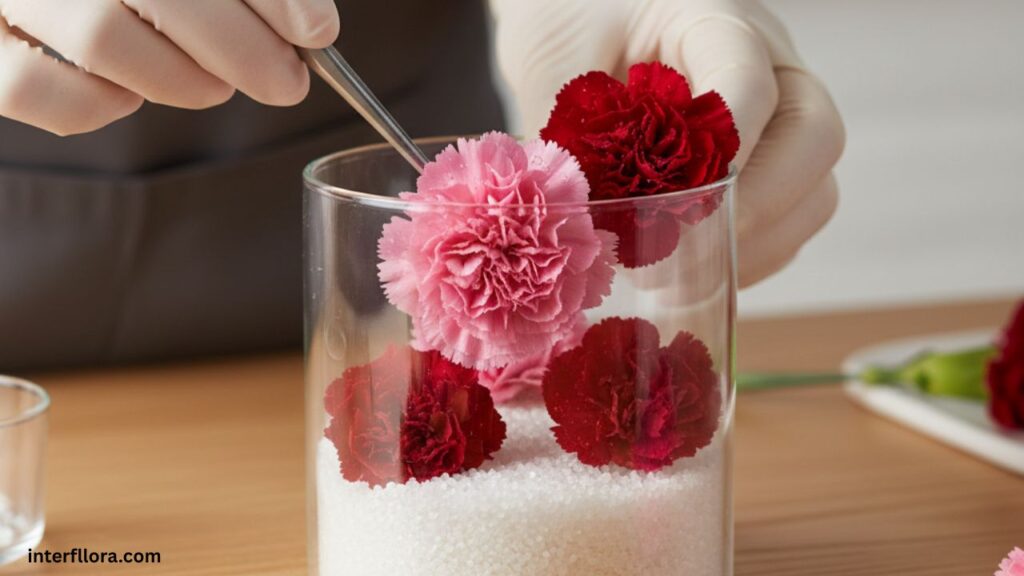
Silica gel drying offers professional-quality results at home. We bury carnations gently in silica gel inside an airtight container. The gel absorbs moisture quickly, preserving shape and color. Results are visible within three to seven days.
5. Oven Drying Carnations Carefully
Oven drying is faster but requires precision. Setting the oven to the lowest possible temperature and placing carnations on a lined tray allows moisture to evaporate gradually. Close monitoring prevents burning or curling.
6. Microwave Drying for Fast Results
Microwave drying combined with silica gel delivers rapid preservation. Short bursts of heat dry the flowers in minutes. This method is excellent when time is limited, though careful attention is necessary to avoid overheating.
7. Using a Food Dehydrator
Food dehydrators provide consistent airflow and temperature control. Placing carnations on trays allows even drying over several hours. This method is reliable and preserves color effectively.
8. Glycerin Preservation Method
Glycerin replaces water in the plant tissues, resulting in flexible, long-lasting carnations. Mixing glycerin with warm water and placing stems in the solution allows absorption over one to two weeks.
9. Sand Drying for Structural Integrity
Fine sand supports petals during drying, preventing collapse. Flowers are buried in dry sand and stored in a sealed container. This method preserves intricate petal shapes.
10. Freeze Drying at Home (DIY Method)
Home freeze drying involves placing carnations in a frost-free freezer with low humidity. Over time, moisture sublimates, leaving preserved blooms. This method requires patience but yields impressive results.
How to Maintain Color and Shape While Drying
Maintaining color and shape depends on controlling light, heat, and humidity. Keeping flowers out of direct sunlight, avoiding high temperatures, and ensuring proper airflow are key factors. Using desiccants like silica gel significantly improves results.
Common Mistakes to Avoid When Drying Carnations
Overcrowding flowers, using damp materials, and rushing the process often lead to poor outcomes. Patience and attention to detail are essential for success.
Creative Uses for Dried Carnations
Dried carnations can be used in wreaths, centerpieces, shadow boxes, candles, potpourri, and resin jewelry. Their versatility makes them ideal for both décor and personal keepsakes.
Storing Dried Carnations for Long-Term Use
Storing dried carnations in airtight containers away from light and humidity preserves their appearance. Adding silica packets helps control moisture and extends longevity.
Conclusion
Drying carnations at home allows us to preserve beauty, memories, and creativity in a simple yet meaningful way. With these ten easy methods, we can choose the technique that best fits our needs, timeline, and desired results. Proper preparation, patience, and care ensure that dried carnations remain elegant, vibrant, and long-lasting. Whether for decoration, crafting, or sentimental preservation, dried carnations offer timeless charm that fresh flowers simply cannot match.