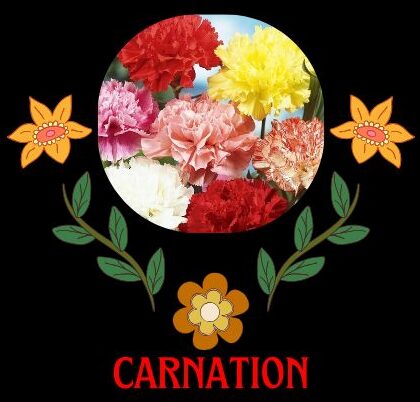
Carnation Flower Facts, Meanings, and Care Guide
Discover detailed carnation flower facts, meanings by color, cultural symbolism, and a complete care guide covering growing, watering, pruning, and extending vase life for healthy, long-lasting blooms.
Introduction to Carnation Flowers
We often encounter carnation flowers as timeless symbols of beauty, affection, and resilience. Recognized by their ruffled petals and spicy-sweet fragrance, carnations have secured a permanent place in gardens, floral arrangements, and cultural traditions worldwide. These flowers are not only visually captivating but also remarkably versatile, thriving in gardens, containers, and greenhouses with minimal effort. Their long-lasting blooms and wide spectrum of colors make them a preferred choice for both professional florists and home gardeners.
What sets carnations apart is their ability to communicate emotion without words. From expressing love and admiration to symbolizing remembrance and good fortune, carnations carry layered meanings that vary by color and culture. Beyond symbolism, they are practical flowers, valued for their durability, ease of care, and impressive vase life. Whether grown for commercial purposes or personal enjoyment, carnations reward growers with abundant blooms when given the right conditions.
In this comprehensive guide, we explore carnation flower facts, delve into their rich symbolism, and provide a detailed care guide designed to help carnations thrive. We aim to equip readers with everything needed to understand, grow, and appreciate these remarkable flowers at a deeper level.
Historical Background of Carnations
Carnations boast a history that stretches back over two millennia, making them one of the oldest cultivated flowers in the world. Originating in the Mediterranean region, carnations were admired by ancient Greeks and Romans, who used them in ceremonial crowns, artistic depictions, and religious rituals. The botanical name Dianthus translates to “flower of the gods,” reflecting the high esteem in which these blooms were held.
During the Middle Ages, carnations spread across Europe, becoming a staple in monastery gardens due to their medicinal properties and ornamental value. By the Renaissance period, they appeared frequently in paintings, symbolizing love, marriage, and devotion. Their popularity continued to rise as selective breeding introduced new colors, petal shapes, and growth habits.
In modern history, carnations gained political and social significance. They became national symbols in several countries and were adopted for holidays such as Mother’s Day. Today, carnations remain a global floral staple, cultivated extensively in countries with suitable climates and exported worldwide, cementing their status as both a cultural icon and an economic crop.
Botanical Profile of Carnation (Dianthus caryophyllus)
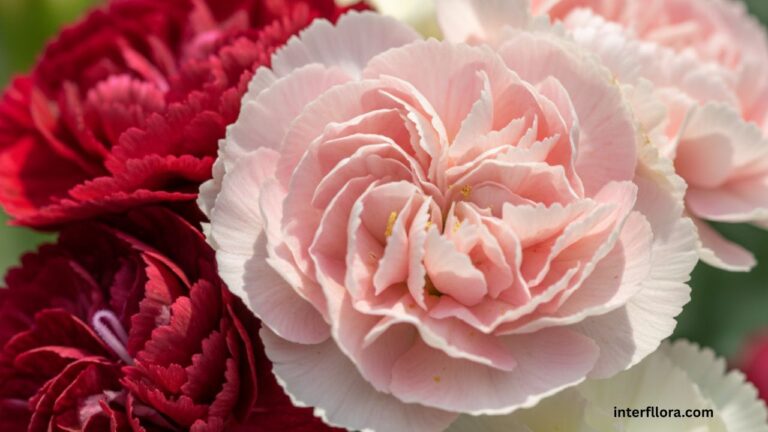
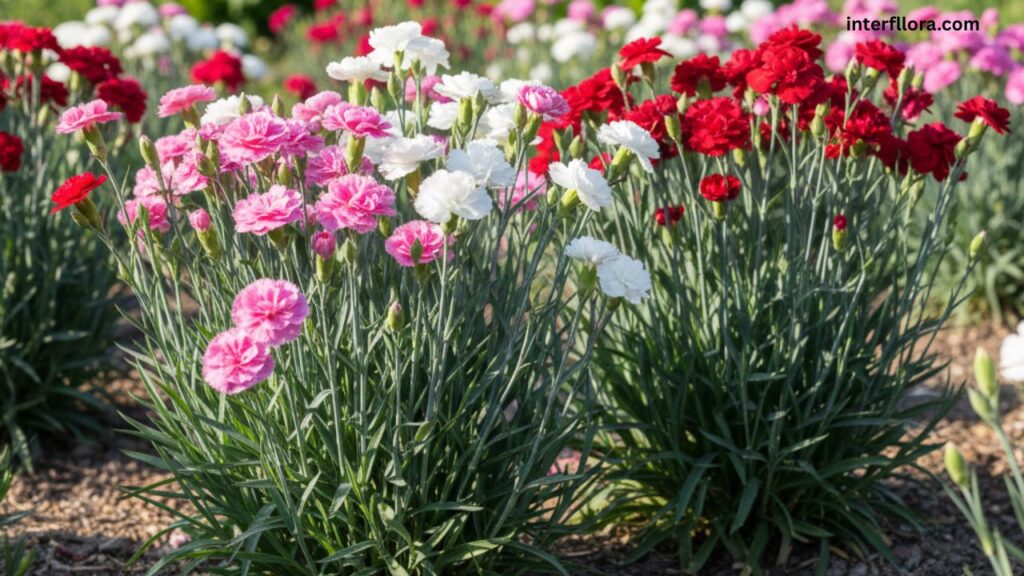
From a botanical perspective, the carnation plant is a perennial flowering species belonging to the Caryophyllaceae family. Characterized by narrow, gray-green leaves and sturdy stems, carnations typically grow between 12 and 24 inches tall, depending on the variety. Their flowers feature densely layered petals with fringed or serrated edges, giving them their signature ruffled appearance.
Carnations thrive as herbaceous perennials, though they are often grown as annuals in colder climates. The plant produces a clove-like fragrance due to the presence of eugenol, a natural compound that contributes to its distinctive scent. This aroma not only enhances their ornamental appeal but also helps deter certain pests.
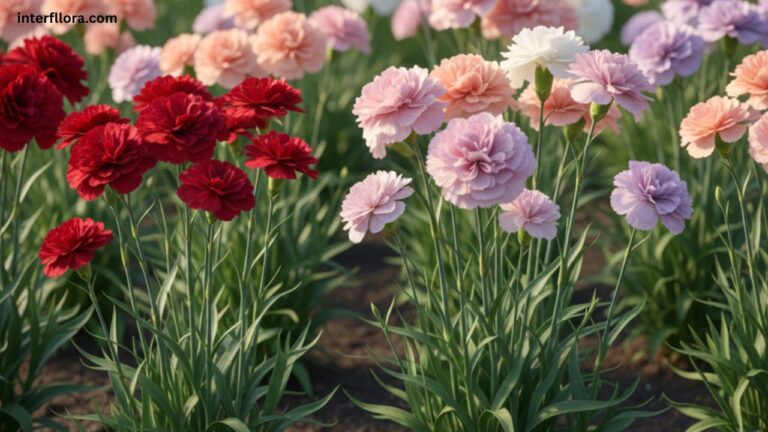
The growth habit of carnations is upright and clump-forming, making them suitable for borders, beds, and containers. Their strong stems support large blooms, which is one reason they are so popular in cut flower arrangements. Understanding the botanical structure of carnations allows growers to provide targeted care that maximizes bloom production and plant longevity.
Types and Varieties of Carnation Flowers
Carnations are available in a wide range of types, each serving different aesthetic and practical purposes. Standard carnations produce a single large bloom per stem and are commonly used in formal floral arrangements. Their long stems and bold flower heads make them ideal for bouquets and centerpieces.
Spray carnations, on the other hand, produce multiple smaller blooms on each stem. These varieties are favored for their delicate appearance and versatility and are often used to add texture and fullness to arrangements. Spray carnations are also popular in gardens due to their prolific blooming habit.
For compact spaces, dwarf and mini carnations are excellent choices. These varieties are bred for container gardening and edging, offering the same vibrant colors and fragrance in a more manageable size. With thousands of cultivars available, gardeners can select carnations that suit their climate, space, and design preferences.
Carnation Flower Colors and Their Meanings
One of the most fascinating aspects of carnations is the symbolism attached to their colors.
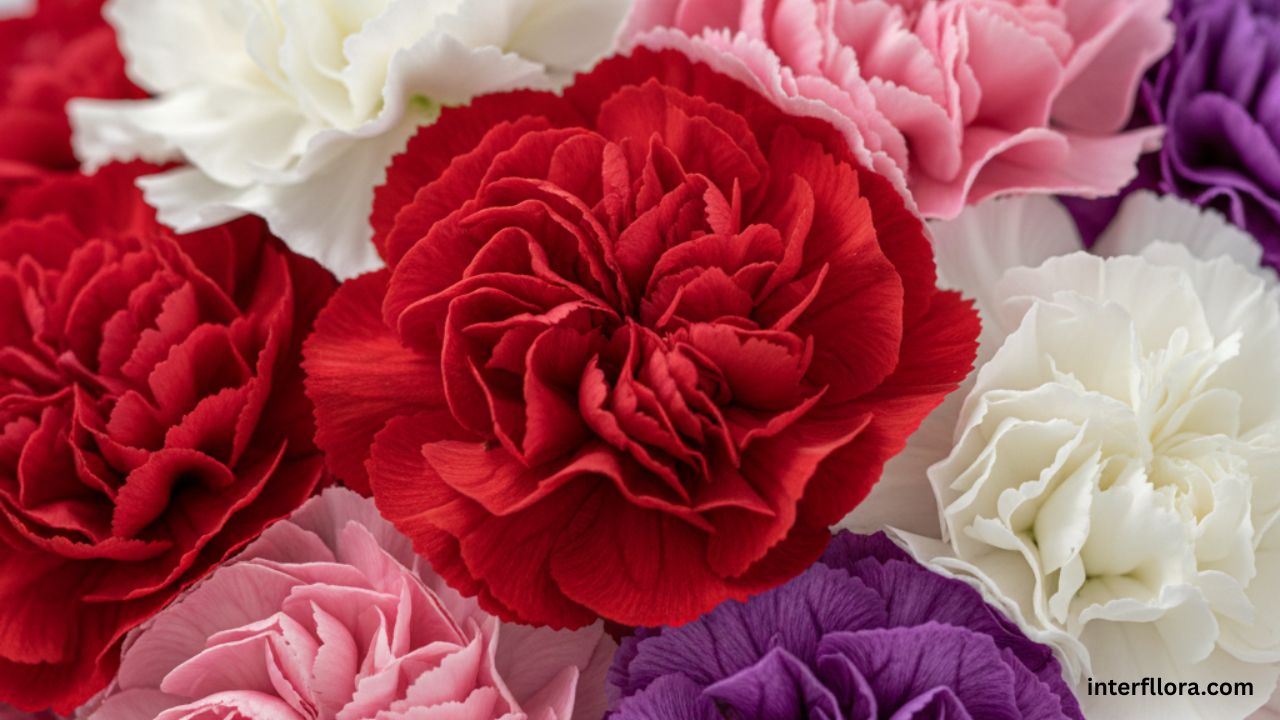
Red carnations are universally associated with deep love, admiration, and passion, making them a popular choice for romantic occasions. White carnations symbolize purity, innocence, and good luck, often featured in weddings and religious ceremonies.
Pink carnations carry a softer message of gratitude, affection, and maternal love. They are traditionally linked to Mother’s Day and expressions of appreciation. Yellow carnations, once associated with disappointment, are now increasingly interpreted as symbols of friendship and joy, particularly in modern floral design.
Purple and green carnations represent uniqueness, creativity, and renewal. These less traditional colors are often chosen for contemporary arrangements and special events. Understanding these meanings allows us to select carnations that convey the right sentiment for any occasion.
Symbolism of Carnations Across Cultures
We observe that carnation symbolism extends far beyond color meanings, deeply rooted in cultural traditions across continents. In Western societies, carnations have long represented love, fascination, and distinction. They are frequently used in formal ceremonies, national observances, and commemorative events. In several European cultures, red and white carnations are worn during national holidays, symbolizing pride, sacrifice, and unity. Their enduring freshness makes them ideal for such symbolic roles, representing constancy and devotion.
In Asian cultures, carnations carry equally profound meanings. In China and Korea, carnations are closely associated with respect, longevity, and familial love. They are commonly gifted to parents and elders as a sign of gratitude and reverence. In Japan, carnations symbolize purity of heart and gentle affection, often appearing in celebrations honoring mothers and caregivers. These cultural interpretations enhance the flower’s universal appeal, allowing carnations to transcend language and geography.
Religious symbolism also plays a role in carnation lore. In Christian traditions, pink carnations are associated with maternal love and are believed to have sprung from the Virgin Mary’s tears. Such stories add emotional depth to the flower, reinforcing its association with compassion and unconditional care. Across cultures, carnations remain powerful messengers of emotion, capable of conveying respect, love, and remembrance without a single spoken word.
Carnations in Modern Floral Design
In contemporary floral design, carnations have experienced a renaissance, shedding outdated perceptions and reclaiming their status as premium blooms. Designers now appreciate carnations for their structural integrity, wide color availability, and exceptional longevity. These qualities make them indispensable in large-scale installations, weddings, and corporate events where consistency and durability are essential.
Carnations are frequently used as focal flowers or as supporting elements that add texture and volume. Their ability to be dyed into custom shades further increases their versatility, allowing designers to match specific themes and color palettes. In wedding arrangements, carnations symbolize lasting love and commitment, making them especially meaningful choices for bouquets and centerpieces.
Commercial floristry relies heavily on carnations due to their cost-effectiveness and resilience during transport. They withstand handling and temperature changes better than many delicate flowers, ensuring that arrangements remain fresh for extended periods. As trends shift toward sustainable and long-lasting florals, carnations continue to stand out as practical yet elegant options in modern floral artistry.
Ideal Growing Conditions for Carnation Flowers
Successful cultivation of carnation flowers begins with understanding their preferred growing conditions. Carnations thrive in temperate climates where they receive ample sunlight and moderate temperatures. Ideally, they require at least six hours of direct sunlight daily to promote healthy growth and abundant flowering. Insufficient light often results in weak stems and reduced bloom production.
Temperature plays a crucial role in carnation development. These plants perform best in cooler conditions, with daytime temperatures ranging between 60°F and 70°F. Excessive heat can stress the plants, leading to shorter bloom cycles and faded colors. Proper air circulation is equally important, as it helps prevent fungal diseases and promotes sturdy growth.
Carnations prefer well-drained environments and do not tolerate waterlogged soil. Raised beds or containers with drainage holes provide optimal conditions, especially in regions prone to heavy rainfall. By replicating their natural Mediterranean habitat, growers can ensure consistent flowering and long-lasting plant health.
Soil Preparation and Planting Techniques
Proper soil preparation lays the foundation for thriving carnation plants. Carnations favor slightly alkaline to neutral soil with a pH between 6.7 and 7.5. Loamy soil enriched with organic matter provides the ideal balance of drainage and nutrient retention. Before planting, incorporating compost or well-rotted manure enhances soil structure and fertility.
Carnations can be grown from seeds, cuttings, or nursery transplants. While seeds offer a cost-effective option, cuttings are preferred for preserving specific cultivars and ensuring uniform growth. Planting should be done with adequate spacing, typically 10 to 12 inches apart, to allow for air circulation and root expansion.
When planting, it is essential to position the crown slightly above soil level to prevent rot. Gentle watering after planting helps settle the soil without compacting it. With careful soil preparation and thoughtful planting techniques, carnations establish quickly and produce robust, flowering plants.
Watering and Feeding Carnation Plants
Consistent and balanced watering practices are vital for carnation health. These plants prefer evenly moist soil but are highly sensitive to overwatering. Deep watering at the base encourages strong root development while keeping foliage dry, reducing the risk of disease. Allowing the topsoil to dry slightly between watering sessions promotes optimal growth.
Feeding carnations with a balanced, slow-release fertilizer supports continuous blooming. A fertilizer rich in potassium enhances flower production, while moderate nitrogen levels prevent excessive foliage growth at the expense of blooms. During the active growing season, monthly feeding ensures that plants receive the nutrients required for sustained vitality.
Organic feeding options, such as compost tea or fish emulsion, provide gentle nourishment and improve soil health. Regular monitoring of plant response allows adjustments to watering and feeding routines, ensuring carnations remain vibrant and productive throughout their blooming period.
Pruning, Pinching, and Deadheading Carnations
Effective pruning and deadheading techniques significantly influence the performance of carnation plants. Pinching young plants encourages branching, resulting in fuller growth and increased flower production. This practice redirects energy from vertical growth to lateral development, creating bushier plants with more blooms.
Deadheading spent flowers prevents seed formation and extends the blooming season. By removing faded blooms promptly, we stimulate the plant to produce new buds. Pruning also helps maintain plant shape and improves air circulation, reducing the likelihood of pest infestations and disease.
Seasonal pruning at the end of the blooming cycle prepares carnations for dormancy or renewed growth. Removing weak or damaged stems ensures that energy is conserved and redirected toward healthy growth. With regular maintenance, carnations reward growers with prolonged and abundant flowering displays.
Common Pests and Diseases Affecting Carnations
Despite their resilience, carnations are susceptible to certain pests and diseases. Aphids, spider mites, and thrips are common pests that feed on plant sap, causing discoloration and distorted growth. Regular inspection and early intervention using organic insecticidal soaps or neem oil effectively control infestations.
Fungal diseases such as rust, fusarium wilt, and botrytis can affect carnations, particularly in humid conditions. Ensuring proper spacing, good air circulation, and well-drained soil minimizes disease risk. Avoiding overhead watering further reduces fungal development.
Integrated pest management practices, including crop rotation and sanitation, help maintain plant health. By addressing issues promptly and adopting preventive measures, growers can protect carnations and sustain their ornamental value.
Growing Carnations Indoors vs Outdoors
Carnations adapt well to both indoor and outdoor cultivation, offering flexibility for gardeners. Outdoors, they thrive in garden beds, borders, and raised planters where they receive ample sunlight and natural air circulation. Outdoor cultivation allows plants to reach their full potential, producing larger blooms and stronger stems.
Indoors, carnations can be grown in containers placed near bright windows or under grow lights. Indoor cultivation provides greater control over temperature and moisture, making it suitable for regions with harsh climates. However, adequate ventilation is essential to prevent disease.
Container-grown carnations require more frequent watering and feeding due to limited soil volume. With attentive care, indoor carnations bloom beautifully, bringing color and fragrance into living spaces year-round.
Harvesting and Extending the Vase Life of Carnations
Proper harvesting techniques significantly enhance the vase life of carnations. Flowers should be cut early in the morning when stems are fully hydrated. Using sharp, clean tools prevents damage and reduces the risk of infection. Cutting stems at an angle improves water uptake and prolongs freshness.
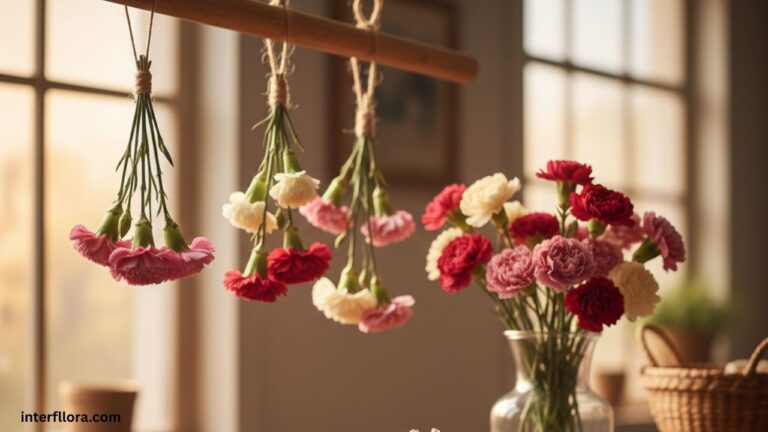
Post-harvest care involves placing stems immediately in clean water with floral preservatives. Removing lower leaves prevents bacterial growth and keeps water clear. Carnations benefit from cool storage and regular water changes, which can extend their vase life to two weeks or more.
Avoiding exposure to ethylene gas, commonly emitted by ripening fruits, further preserves carnation freshness. With attentive handling, carnations remain vibrant and attractive long after harvest, reinforcing their reputation as long-lasting cut flowers.
Conclusion
We recognize carnation flowers as timeless symbols of beauty, resilience, and emotional expression. Their rich history, diverse meanings, and practical advantages make them indispensable in gardens and floral design alike. With proper care, carnations reward growers with abundant blooms, vibrant colors, and enduring freshness. By understanding their needs and cultural significance, we can fully appreciate the value these remarkable flowers bring to our lives.