What Is a Carnation Flower? Meaning, Types, and Uses Explained
What is a carnation flower? Explore its meaning, types, colors, history, and uses in weddings, culture, medicine, and floral arrangements.
Introduction to the Carnation Flower
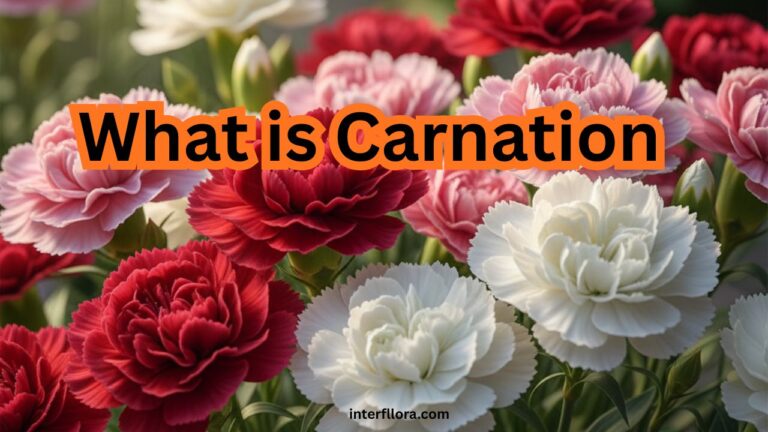
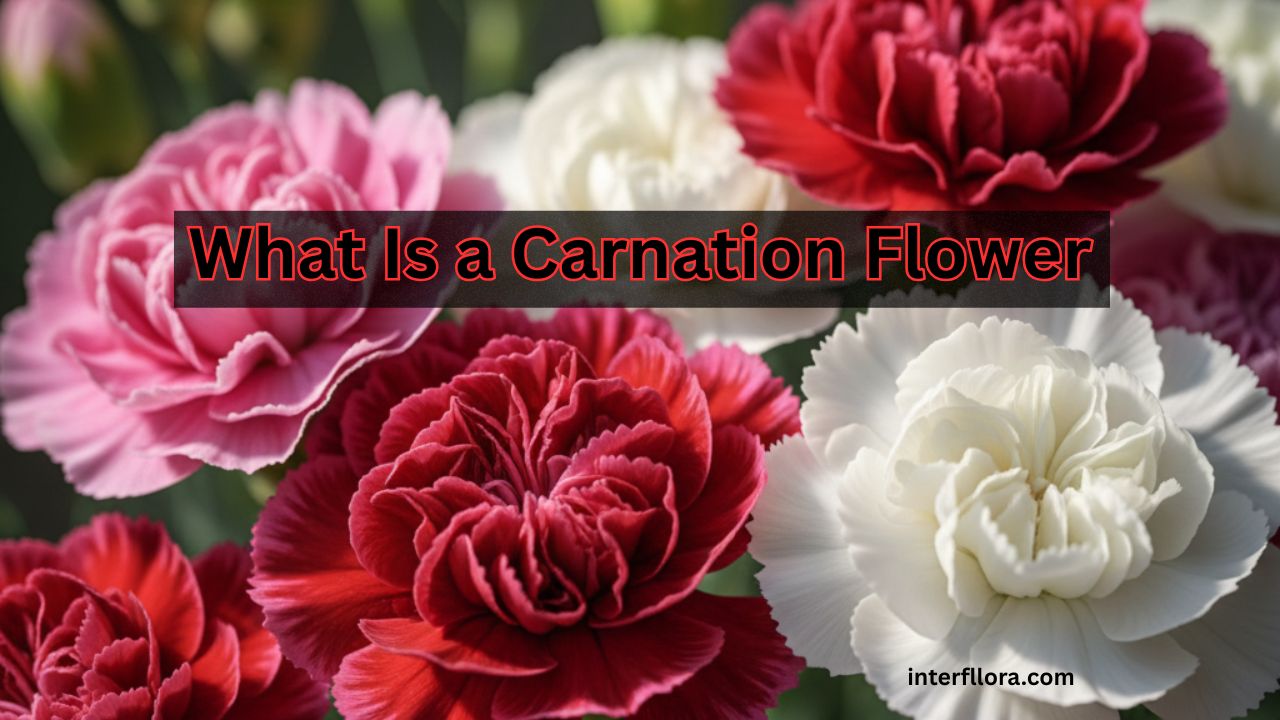
The carnation flower, scientifically known as Dianthus caryophyllus, is one of the most admired and widely cultivated flowers in the world. We recognize carnations instantly by their ruffled petals, soft fragrance, and impressive longevity. These qualities have made them a favorite in gardens, floral arrangements, and ceremonial events for centuries. Unlike many delicate blooms, carnations are hardy and adaptable, allowing them to thrive in diverse climates and remain fresh for long periods after cutting.
In this article, we explore what carnation flowers are, their historical background, symbolic meanings, different types, and their wide range of uses. By understanding carnations in detail, we can appreciate why they remain timeless and relevant across generations.
Historical Origins and Botanical Background
The history of carnations dates back over 2,000 years, making them one of the oldest cultivated flowers known to humanity. We trace their origins to the Mediterranean region, where wild carnations naturally grew in rocky and open landscapes. Ancient Greek and Roman civilizations valued carnations highly, often using them in crowns, garlands, and religious ceremonies.
The botanical name Dianthus comes from Greek words meaning “divine flower,” reflecting the high regard early societies had for this bloom. Over time, selective breeding expanded the flower’s size, color range, and durability. Today’s carnations are the result of centuries of cultivation and refinement.
Botanically, carnations belong to the Caryophyllaceae family. They are perennial plants with narrow gray-green leaves and strong stems that support large, layered flowers. Their ability to grow in well-drained soil and moderate climates enabled their spread across Europe, Asia, and later the Americas through trade and horticulture.
Symbolic Meaning of Carnation Flowers
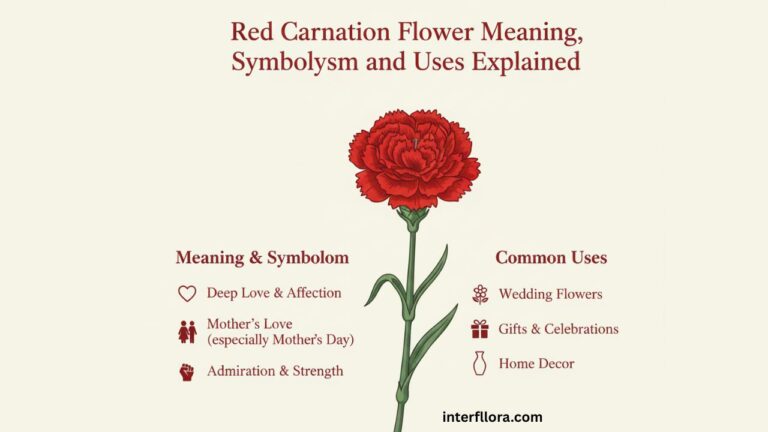
Carnation flowers are rich in symbolism, with meanings that vary depending on color, culture, and context. We often use carnations to express emotions that are heartfelt and lasting.
Religious and Spiritual Symbolism
In Christian tradition, carnations, especially pink carnations, symbolize motherly love. According to legend, pink carnations bloomed from the tears of the Virgin Mary, making them a powerful symbol of unconditional love and compassion. White carnations are associated with purity, innocence, and faith and are commonly used in religious ceremonies and memorials.
Spiritually, carnations are believed to promote emotional healing and calmness. Their gentle fragrance and soft appearance make them suitable for meditation spaces and spiritual offerings.
Cultural Interpretations
Cultural meanings of carnations differ worldwide. In many European cultures, red carnations symbolize admiration and deep love. In some countries, carnations have also been linked to political movements and social change. In Asian cultures, carnations represent respect, good luck, and honor and are often given during celebrations and milestones.
Across many regions, carnations are strongly associated with Mother’s Day, symbolizing gratitude and enduring affection. These varied interpretations highlight the flower’s universal emotional appeal.
Types of Carnation Flowers
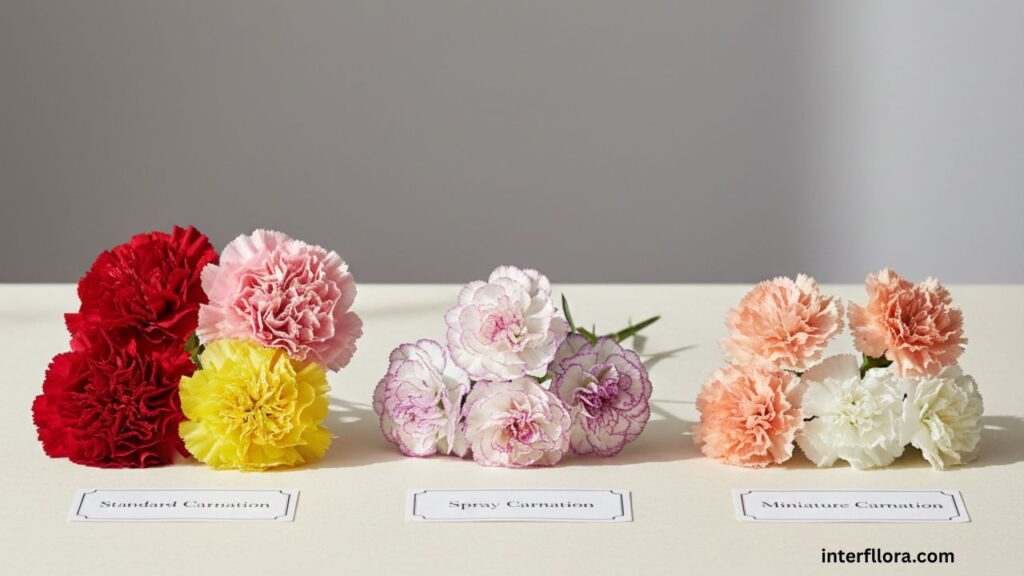
Carnations are broadly categorized into several types, each serving different aesthetic and practical purposes.
Standard Carnations
Standard carnations feature a single large bloom on a long, sturdy stem. They are the most recognizable type and are widely used in professional floral arrangements. Their symmetrical shape and bold appearance make them ideal for bouquets and formal displays.
Spray Carnations
Spray carnations produce multiple smaller blooms on a single stem. We often see them used as filler flowers, adding texture and volume to arrangements. Their versatility and affordability make them popular for both casual and elegant designs.
Dwarf and Miniature Carnations
Dwarf and miniature carnations are compact plants that grow well in pots and gardens. They produce smaller flowers but bloom continuously, making them a favorite among home gardeners seeking low-maintenance beauty.
Carnation Colors and Their Meanings
Color plays a crucial role in the message conveyed by carnations. Each shade carries a distinct emotional meaning.
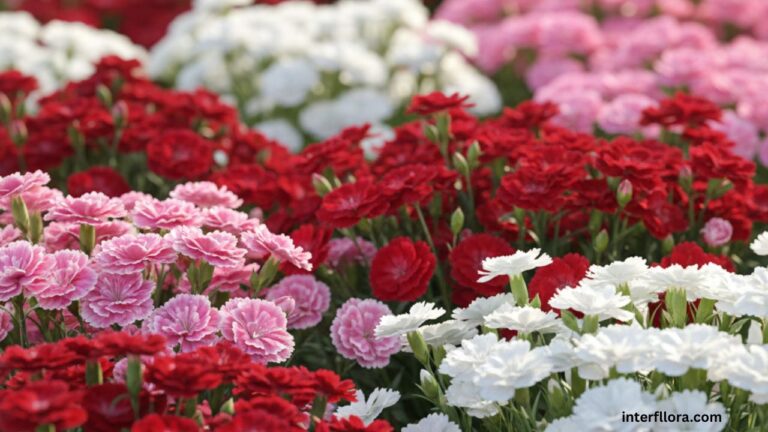
- Red Carnations: Symbolize deep love, admiration, and respect. Dark red shades often convey remembrance.
- White Carnations: Represent purity, innocence, and good luck. Commonly used in weddings and memorials.
- Pink Carnations: Associated with gratitude, affection, and maternal love. Popular for appreciation and Mother’s Day.
- Yellow Carnations: Traditionally symbolized disappointment, but modern interpretations link them to cheerfulness and friendship.
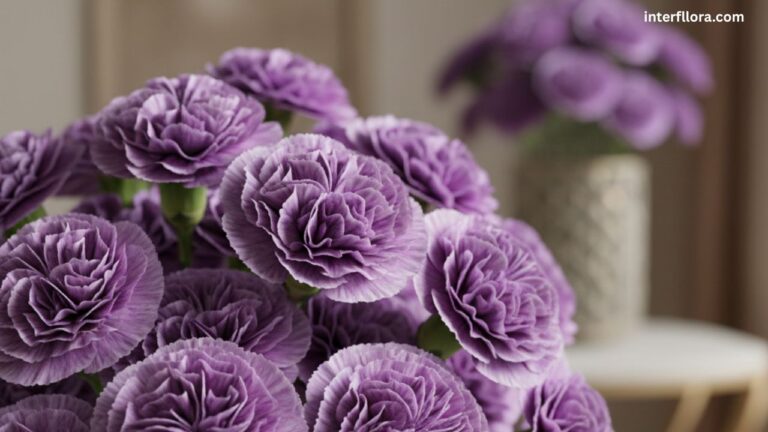
- Purple Carnations: Represent creativity, uniqueness, and unpredictability.
Understanding these meanings helps us choose carnations thoughtfully for different occasions.
Uses of Carnation Flowers in Floral Design
Carnations are essential in floral design due to their durability, affordability, and versatility. Florists value them for their long vase life, which can last up to two weeks with proper care. Their sturdy stems and resilient petals make them easy to transport and arrange.
Carnations are widely used in:
- Wedding bouquets and centerpieces
- Corporate events and decorations
- Everyday home arrangements
They can also be dyed into custom colors, expanding creative possibilities. Their balanced appearance allows them to complement both bold and subtle floral designs.
Carnations in Events and Celebrations
Carnations play a significant role in events and ceremonies worldwide. We commonly see them at weddings, anniversaries, graduations, and remembrance services. Their symbolic flexibility makes them suitable for both joyful and solemn occasions.
In weddings, carnations blend seamlessly into various themes due to their wide color range. In memorial services, white and red carnations express respect, remembrance, and eternal love. In some countries, carnations are also used in national celebrations and public events, symbolizing unity and pride.
Medicinal and Therapeutic Uses
Historically, carnations were valued for their medicinal properties. Traditional remedies used carnation petals to address digestive issues, inflammation, and fever. While modern medicine no longer relies heavily on carnations, they remain relevant in holistic and alternative practices.
In aromatherapy, carnation extracts are believed to reduce stress and promote emotional well-being. Their subtle scent is associated with relaxation and mental clarity, making them useful in wellness practices.
Culinary and Aromatic Uses
Carnations are edible flowers and have been used in culinary traditions for centuries. Their petals have a mild, clove-like flavor and are used in:
- Herbal teas
- Syrups and flavored sugars
- Desserts and cake decorations
Carnations have also been used in perfumery, where their spicy floral notes add depth and warmth to fragrances. These uses highlight the flower’s sensory versatility beyond visual beauty.
How to Grow and Care for Carnations
Growing carnations is relatively simple with the right conditions. They thrive in well-drained soil, moderate watering, and full sunlight.
Basic Care Requirements
- Soil: Neutral to slightly alkaline
- Light: Full sun for best flowering
- Water: Regular but not excessive
Common Problems
Carnations can be affected by aphids, spider mites, and fungal diseases. Proper air circulation, regular inspection, and controlled watering help maintain healthy plants.
With proper care, carnations reward gardeners with abundant, long-lasting blooms.
Economic Importance of Carnations
Carnations are among the most important flowers in the global floral market. Major producers include Colombia, Kenya, and the Netherlands. Their consistent demand supports millions of jobs across cultivation, transportation, and retail sectors.
Their affordability and long shelf life make carnations a reliable choice for both consumers and businesses, ensuring their continued economic significance.
Conclusion
The carnation flower is a remarkable blend of beauty, symbolism, and practicality. From its ancient origins to its modern-day applications, it has maintained a strong presence in human culture. Its diverse meanings, wide range of types, and extensive uses make it one of the most versatile flowers in the world. By understanding carnations in depth, we recognize why they continue to be cherished across cultures, events, and generations.