Are Carnations Toxic to Cats? Vet Truth Safe Alternatives
Are carnations toxic to cats? Learn the symptoms, risks, and what to do if your cat eats carnations. Essential safety advice every cat owner must know. Worried about your cat and carnations? Learn the real risks, symptoms, and safe flower alternatives every pet owner should know.
Introduction
Carnations are admired for their ruffled petals, soft fragrance, and long-lasting beauty, making them a staple in bouquets, home décor, and celebrations. However, when we share our living spaces with cats, beauty alone is never enough. We must ask a more important question: are carnations toxic to cats? The answer matters because cats are naturally curious, prone to nibbling plants, and biologically sensitive to substances that humans tolerate without issue.
As responsible cat owners, we must understand that even mildly toxic plants can cause discomfort, distress, and avoidable veterinary visits. Carnations fall into this category. While they are not among the most lethal plants, they are not safe for cats, and the risks should never be ignored. A cat brushing against a bouquet, licking pollen from its fur, or chewing a fallen petal can experience adverse reactions.
In this comprehensive guide, we examine carnations from every relevant angle: toxicity levels, symptoms, treatment, prevention, and safer alternatives. Our goal is to equip cat owners with practical, trustworthy knowledge that protects feline health without sacrificing a beautiful home environment. When we know better, we do better and our cats depend on that awareness.
Understanding Carnations: A Popular Flower with Hidden Risks
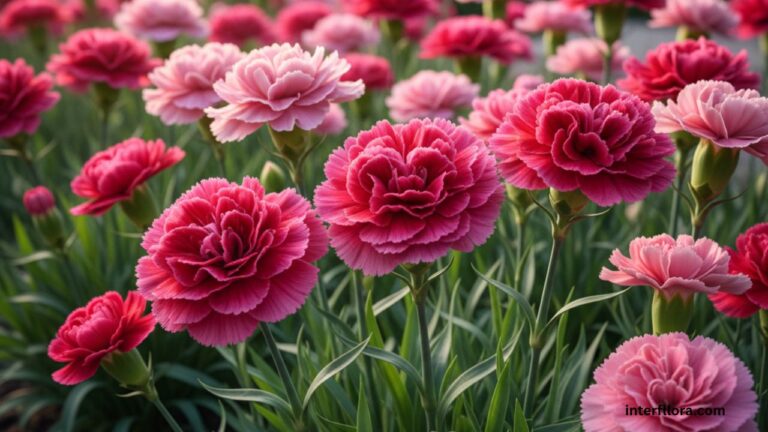
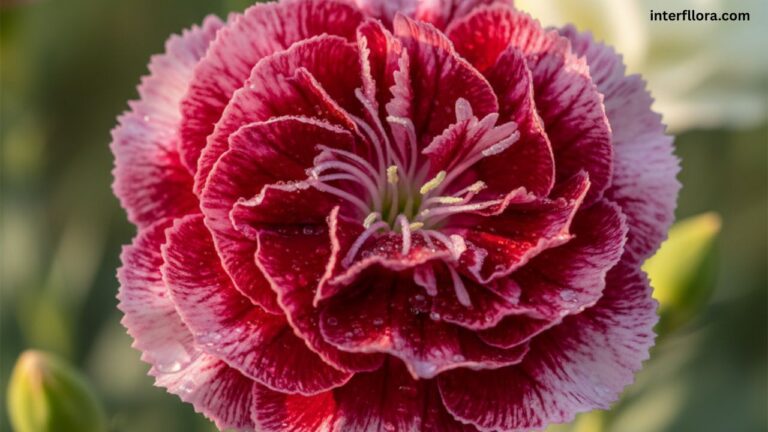
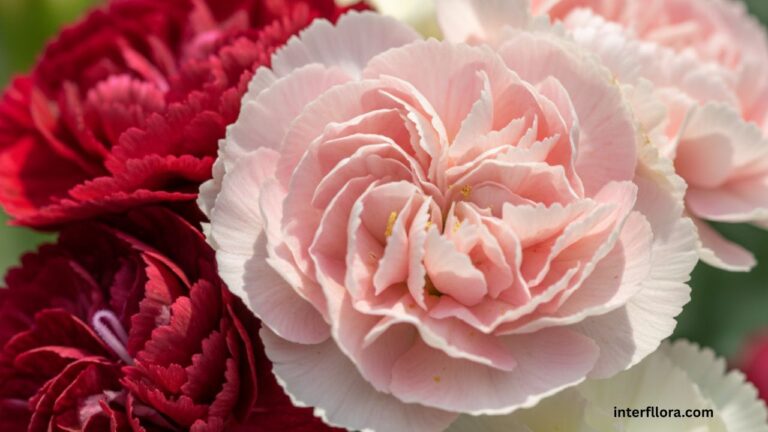
Carnations, scientifically known as Dianthus caryophyllus, have been cultivated for over 2,000 years. They symbolize love, admiration, and remembrance, which explains their widespread use in weddings, anniversaries, and everyday floral arrangements. Their affordability and durability make them especially appealing for indoor display.
Despite their popularity, carnations are not designed with pets in mind. The very traits that make them resilient as cut flowers chemical compounds that deter insects and prolong freshness—are part of what makes them problematic for cats. These compounds are harmless to humans but can irritate a cat’s delicate digestive and dermatological systems.
Carnations are commonly found in:
- Mixed floral bouquets
- Table centerpieces
- Garden borders
- Gift arrangements
Because they are so accessible, cats encounter carnations more frequently than many owners realize. A bouquet placed on a dining table or kitchen counter may seem safely out of reach, yet cats are agile climbers with little regard for boundaries. Understanding the nature of carnations is the first step in recognizing why caution is essential in cat-friendly households.
Are Carnations Poisonous to Cats? A Clear Veterinary Perspective
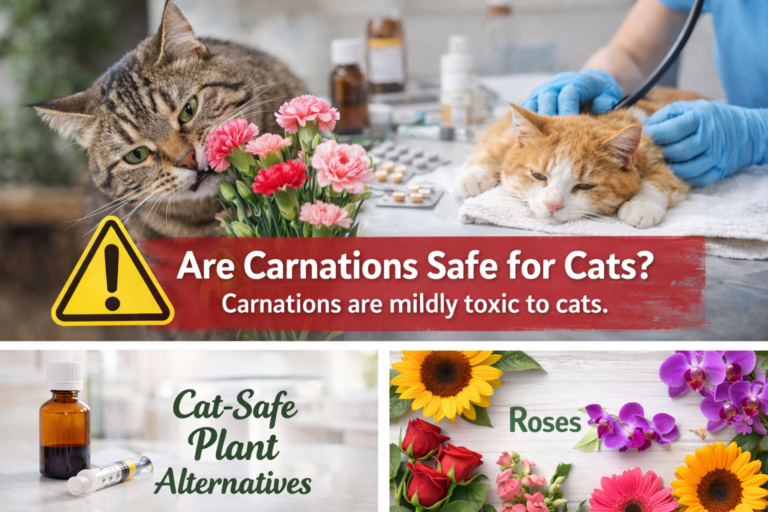
From a veterinary standpoint, carnations are classified as mildly toxic to cats. According to established animal toxicity references, including veterinary toxicology databases, carnations are not life-threatening but can cause noticeable clinical symptoms when ingested or contacted.
The toxicity primarily affects:
- The gastrointestinal system
- The skin and oral tissues
This means that even brief exposure, such as chewing on a stem or rubbing against the leaves, can lead to irritation. Cats lack certain liver enzymes that help process plant-based toxins, making them more vulnerable than dogs or humans.
It is important to emphasize that “mildly toxic” does not mean harmless. For cats with sensitive systems, kittens, senior cats, or those with pre-existing conditions, reactions can be more pronounced. Veterinary professionals consistently advise keeping carnations out of homes with cats, especially when safer floral alternatives exist.
What Makes Carnations Dangerous for Cats
The toxicity of carnations comes from triterpenoid saponins and other natural chemical compounds found in the petals, leaves, and stems. These substances serve as defense mechanisms for the plant but act as irritants in feline bodies.
When a cat chews or swallows parts of a carnation:
- The compounds irritate the lining of the mouth and stomach
- Digestive upset is triggered
- In some cases, skin contact causes localized inflammation
Cats are meticulous groomers. If pollen or plant residue gets on their fur, ingestion often occurs later during grooming. This indirect exposure is one of the most overlooked risks and explains why even cats that “never eat plants” may still show symptoms.
Because cats are small and metabolize toxins differently, even minimal exposure can lead to discomfort. The danger lies not in dramatic poisoning, but in cumulative irritation and stress on the cat’s system.
How Cats Are Exposed to Carnations at Home
Exposure rarely happens in obvious ways. Most cat owners do not witness their cats actively eating flowers. Instead, exposure typically occurs through subtle, everyday interactions such as:
- Nibbling on leaves or petals out of curiosity
- Drinking vase water contaminated with plant toxins
- Brushing against flowers, transferring pollen to fur
- Playing with fallen petals or leaves
Vase water deserves special attention. As cut carnations sit in water, toxins leach into the liquid. Cats are notorious for preferring unconventional water sources, and a vase can be irresistible. This makes floral arrangements particularly risky even when the flowers appear untouched.
Understanding these exposure pathways helps us recognize that prevention requires more than simply placing flowers “out of reach.”
Symptoms of Carnation Poisoning in Cats
Symptoms of carnation toxicity are usually mild to moderate but should never be ignored. Clinical signs can vary depending on the amount ingested, the cat’s size, and overall health.
Common symptoms include:
- Vomiting
- Drooling or excessive salivation
- Diarrhea
- Loss of appetite
- Lethargy
Less common but notable symptoms:
- Skin redness or itching
- Oral irritation
- Pawing at the mouth
- Mild abdominal pain
Symptoms often appear within a few hours of exposure. While many cats recover with minimal intervention, discomfort can be significant, and dehydration may occur if vomiting or diarrhea persists.
Also Read:Carnation Types And Varieties
How Quickly Do Symptoms Appear After Exposure
The onset of symptoms typically occurs within 2 to 12 hours after exposure. Oral irritation may appear sooner, especially if the cat chews directly on the plant. Gastrointestinal symptoms usually follow as the plant material is digested.
Delayed symptoms are possible if:
- The exposure was indirect
- The cat ingested pollen during grooming
- Small amounts were consumed over time
Because cats instinctively hide discomfort, subtle changes in behavior such as reduced playfulness or appetite may be the first clues something is wrong. Vigilance is key.
What to Do If Your Cat Eats a Carnation
Immediate action can significantly reduce discomfort and prevent complications. If we suspect our cat has been exposed to carnations, the following steps are recommended:
- Remove access to the plant immediately
- Gently wipe the cat’s mouth and paws with a damp cloth
- Prevent further grooming if pollen is present
- Observe for symptoms over the next 24 hours
Veterinary consultation is advised if symptoms appear or if the amount ingested is unknown. We should never induce vomiting or administer human medications without professional guidance.
Read More: What Is a Carnation Flower?
Veterinary Diagnosis and Treatment Options
Veterinarians diagnose carnation toxicity primarily through history of exposure and clinical signs. There is no specific antidote, so treatment focuses on supportive care.
Common treatments include:
- Anti-nausea medication
- Fluids to prevent dehydration
- Gastroprotective agents
- Monitoring until symptoms resolve
Most cats recover fully within 24 to 48 hours with proper care. Early intervention ensures the best outcome and minimizes stress for both cat and owner.
Long-Term Effects of Carnation Toxicity in Cats
Fortunately, carnations do not cause long-term organ damage in most cases. Once the toxins are eliminated from the body, cats typically return to normal without lasting effects.
However, repeated exposure can lead to:
- Chronic digestive sensitivity
- Food aversions
- Increased stress responses
Prevention remains the most effective strategy for protecting feline health.
Are Carnations Fatal to Cats? Separating Fact from Fear
Carnations are not considered fatal to cats. However, this fact should never justify complacency. Non-lethal does not mean non-harmful. Pain, distress, and unnecessary veterinary visits are avoidable outcomes when we make informed choices about our home environment.
Safe Flower Alternatives for Cat-Friendly Homes
We can still enjoy flowers without risking our cat’s health. Cat-safe flowers include:
- Roses
- Orchids
- Sunflowers
- Gerbera daisies
Artificial flowers or dried arrangements also provide aesthetic appeal without biological risk.
How to Cat-Proof Your Home from Toxic Plants
Effective prevention strategies include:
- Researching plants before bringing them home
- Avoiding mixed bouquets with unknown contents
- Using hanging planters out of reach
- Providing cat grass to satisfy chewing instincts
A proactive approach eliminates risk before it begins.
Frequently Asked Myths About Cats and Flowers
Many believe cats instinctively avoid harmful plants. This is false. Curiosity, boredom, and play drive plant interaction, not nutritional need or instinctive safety awareness.
Why Awareness Matters for Responsible Cat Ownership
Our cats rely entirely on us to curate a safe environment. Knowledge empowers us to prevent avoidable harm and ensure our companions live comfortably and securely.
Conclusion
Carnations may be beautiful, but they are not safe for cats. While the toxicity is mild, the potential for discomfort and distress makes them an unnecessary risk in cat-friendly homes. By choosing safer alternatives and understanding exposure risks, we protect our cats without sacrificing our living space’s beauty. Responsible ownership begins with informed decisions and our cats deserve nothing less.