Are Carnations Safe for Cats in the House? A Complete Guide
Are carnations safe for cats? Learn whether carnations are toxic to cats, symptoms of poisoning, and pet-safe flower alternatives to keep your feline safe at home.
Flowers can brighten any home, and carnations are among the most popular decorative flowers used in bouquets, table arrangements, and indoor décor. However, if you share your home with a curious feline companion, you may ask an important question: Are carnations safe for cats in the house?
Cats are naturally curious and often explore plants by chewing on leaves or petals. While carnations may appear harmless, they can pose potential health risks to cats. Understanding these risks helps pet owners create a safe, pet-friendly home environment.
In this complete guide, you will learn whether carnations are toxic to cats, why cats are attracted to flowers, symptoms of carnation poisoning, treatment options, and safe plant alternatives for cat owners.
What Are Carnations?
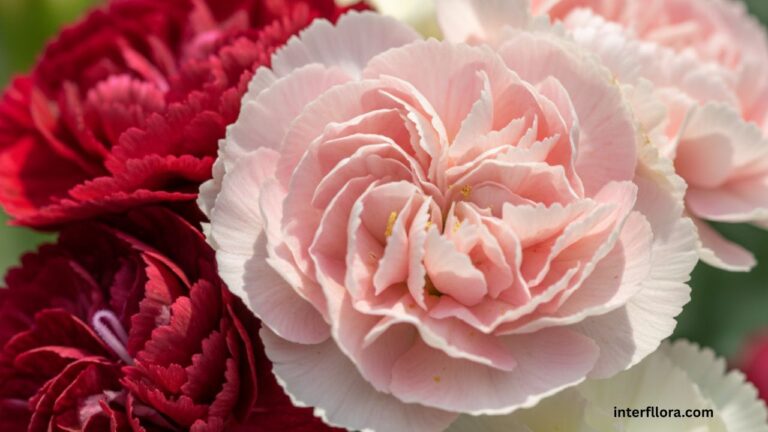
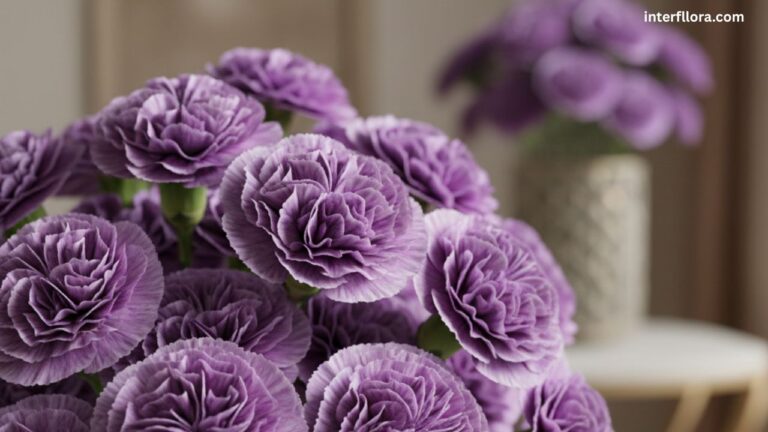
Carnations, scientifically known as Dianthus caryophyllus, are ornamental flowers that belong to the Dianthus genus in the Caryophyllaceae family. They are valued for their fragrant blooms, frilled petals, and wide range of colors, including:
These flowers are commonly used in wedding arrangements, floral gifts, garden borders, and indoor decorative bouquets. Because they are widely available and affordable, carnations often end up inside homes where pets may interact with them.
Are Carnations Toxic to Cats?
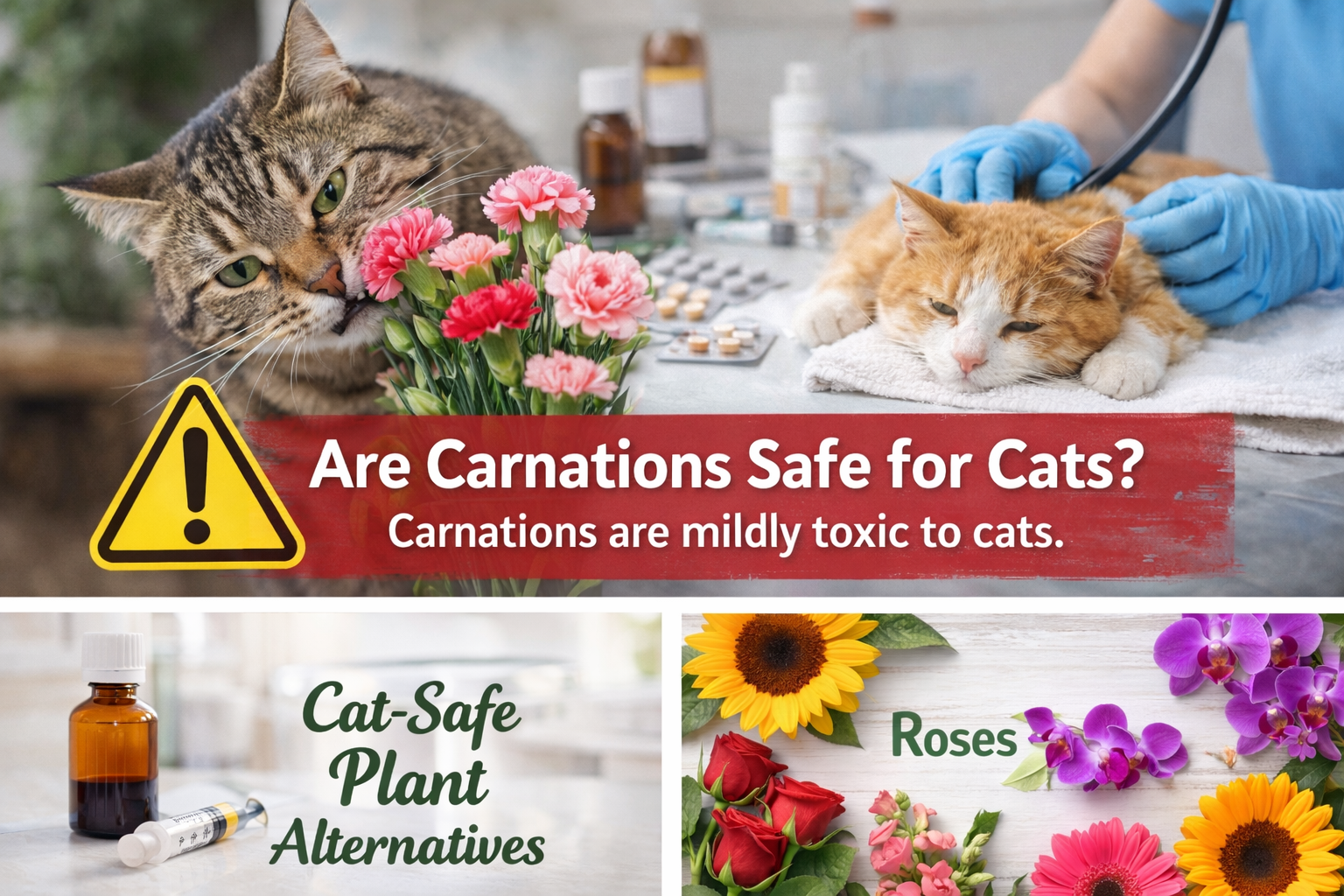
Yes, carnations are considered mildly toxic to cats.
Although carnations are not among the most dangerous plants for cats, they contain natural chemical compounds that can irritate a cat’s digestive system and skin. When cats chew on the petals, leaves, or stems, they may experience gastrointestinal discomfort and mild poisoning symptoms.
Toxic Compounds in Carnations
Carnations contain unknown natural irritants and saponin-like compounds that can trigger irritation in animals. These compounds may cause:
- Digestive upset
- Mild inflammation in the stomach
- Skin irritation after contact
Because cats have sensitive digestive systems, even small amounts of these compounds can cause noticeable symptoms.
Which Parts of Carnations Are Toxic?
All parts of the carnation plant can potentially cause irritation, including:
- Petals
- Leaves
- Stems
- Pollen
- Plant sap
Cats chewing on petals from floral arrangements are the most common cause of exposure. Even fallen petals on the floor can pose a risk if ingested.
Why Cats Are Attracted to Carnations
Cats do not typically eat plants for nutrition. Instead, their interest in flowers is driven by instinct and curiosity.
Some common reasons cats are attracted to catnip include:
1. Texture and Movement
Carnation petals are soft, ruffled, and easy to chew, which can attract playful cats.
2. Curiosity
Indoor cats explore objects in their environment by sniffing, pawing, and chewing.
3. Fragrance
Carnations have a light spicy fragrance, which may catch a cat’s attention.
4. Boredom
Cats that lack stimulation sometimes chew plants as a form of environmental enrichment.
Symptoms of Carnation Poisoning in Cats
Carnation toxicity is generally mild, but symptoms can still cause discomfort for your pet. Signs usually appear within a few hours after ingestion.
Common Symptoms
Watch for these signs if your cat has been exposed to carnations:
- Vomiting
- Diarrhea
- Drooling or excessive salivation
- Loss of appetite
- Mild abdominal discomfort
- Lethargy
- Skin irritation or rash
Skin Reactions
If a cat repeatedly brushes against carnations, it may develop contact dermatitis, which includes:
- Red or irritated skin
- Itching
- Mild swelling
This reaction occurs when plant sap touches the skin.
How Serious Is Carnation Poisoning?
In most cases, carnation poisoning is not life-threatening. Symptoms are usually mild and temporary. However, the severity depends on several factors:
- Amount of plant consumed
- Size and health of the cat
- Sensitivity of the individual cat
Kittens, elderly cats, and cats with existing health issues may experience stronger reactions.
What to Do If Your Cat Eats Carnations
If you believe your cat has eaten a carnation, quick action can help minimize symptoms.
Step 1: Remove the Plant
Immediately remove the carnation or bouquet from the area to prevent further ingestion.
Step 2: Check Your Cat’s Mouth
Look for plant material stuck in your cat’s mouth and remove it gently if possible.
Step 3: Offer Fresh Water
Encourage your cat to drink water to help dilute plant irritants.
Step 4: Monitor Symptoms
Observe your cat closely for 12–24 hours for signs of stomach upset or unusual behavior.
Step 5: Contact a Veterinarian
Seek veterinary advice if:
- Vomiting continues
- Symptoms worsen
- Your cat appears weak or dehydrated
A veterinarian may recommend supportive care such as fluids or medication if needed.
How Veterinarians Treat Plant Poisoning in Cats
If symptoms are more severe, a veterinarian may provide treatment such as:
- Anti-nausea medication
- Activated charcoal to absorb toxins
- IV fluids to prevent dehydration
- Observation and supportive care
Fortunately, most cases involving carnations require minimal treatment.
Preventing Carnation Exposure in Your Home
Prevention is the best strategy for protecting your cat from plant toxicity.
Keep Flowers Out of Reach
Place bouquets on high shelves or closed rooms where cats cannot access them.
Avoid Leaving Petals on the Floor
Dropped petals are easy for cats to chew. Clean them quickly.
Use cat deterrents.
Pet-safe deterrent sprays can discourage cats from approaching plants.
Provide Safe Plants for Chewing
Offering cat grass or catnip plants gives your cat a safe alternative.
Pet-Safe Flowers for Cat Owners
If you love flowers but want to keep your home cat-safe, consider non-toxic alternatives.
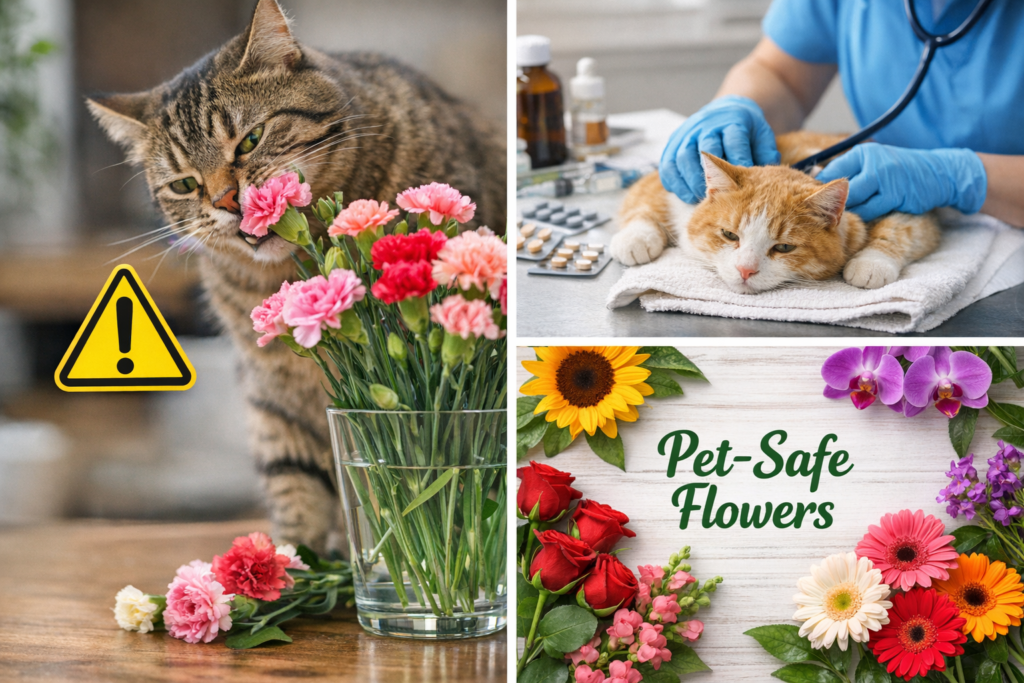
Safer flower options include:
- Roses
- Sunflowers
- Orchids
- Snapdragons
- Gerbera daisies
- Zinnias
Even with safe flowers, it is still best to discourage chewing behavior.
Dangerous Plants Every Cat Owner Should Avoid
Some plants are far more toxic than carnations and should never be kept in a home with cats.
Highly dangerous plants include:
- Lilies – extremely toxic and can cause kidney failure
- Sago palm – causes severe organ damage
- Tulips
- Daffodils
- Aloe vera
- Azaleas
These plants can lead to serious poisoning or even death in cats, making them much more dangerous than carnations.
Creating a Cat-Friendly Indoor Plant Environment
You can still enjoy plants while protecting your cat by following a few simple guidelines.
Choose Pet-Safe Plants
Research plants before bringing them home.
Use hanging planters.
Suspended plants are harder for cats to reach.
Provide Enrichment
Cats that receive toys, climbing spaces, and stimulation are less likely to chew plants.
Grow Cat Grass
Cat grass satisfies a cat’s natural urge to chew greenery.
Frequently Asked Questions
Are carnations poisonous to cats?
Yes. Carnations are mildly toxic to cats and can cause stomach upset or skin irritation.
What happens if my cat eats carnation petals?
Most cats experience vomiting, diarrhea, or mild digestive irritation.
Are carnations dangerous for kittens?
Yes. Kittens may be more sensitive due to their smaller size and developing immune systems.
Are dried carnations toxic to cats?
Yes. Dry carnations still contain irritating compounds and can cause symptoms if eaten.
Can smelling carnations harm cats?
No. Simply smelling carnations usually does not cause poisoning unless the cat ingests part of the plant.
Final Thoughts
So, are carnations safe for cats in the house? While carnations are not among the most dangerous plants, they are considered mildly toxic and can cause gastrointestinal upset and skin irritation in cats.
For cat owners who love flowers, the safest approach is to keep carnations out of reach or replace them with pet-friendly plants. Taking these precautions will help ensure your home remains both stylish and safe for your feline companion.