A Complete Guide to Carnation Flowers
Discover a complete, in-depth guide to carnation flowers, including their history, types, colors, meanings, growing tips, care methods, and cultural significance. Learn everything you need to know about carnations in one detailed resource.
Introduction to Carnation Flowers
We often see carnation flowers brightening bouquets, events, and gardens, yet their depth goes far beyond simple decoration. Carnations are among the most cultivated and commercially significant flowers in the world, valued for their ruffled petals, long vase life, and remarkable adaptability. These flowers carry a timeless charm, effortlessly balancing elegance and durability. Whether placed in a formal arrangement or grown in a backyard garden, carnations continue to hold a special place in floral culture. We recognize carnations not only for their beauty but also for their symbolism, affordability, and year-round availability, making them a favorite across continents and cultures.
Historical Significance of Carnations
Origins in Ancient Civilizations
Carnations trace their lineage back over 2,000 years, with origins linked to the Mediterranean region. Ancient Greeks and Romans used carnations in ceremonial crowns, religious offerings, and public celebrations. The botanical name Dianthus translates to “flower of the gods,” reflecting the reverence early civilizations held for this bloom. We see evidence of carnations woven into rituals, symbolizing admiration and divine connection.
Carnations in Art and Literature
Throughout history, carnations appeared in Renaissance paintings, European tapestries, and classic literature. Artists favored them for their intricate form and symbolic weight. Writers often associated carnations with themes of love, fascination, and distinction, reinforcing their cultural importance across generations.
Botanical Overview of Carnation Plants
Scientific Classification
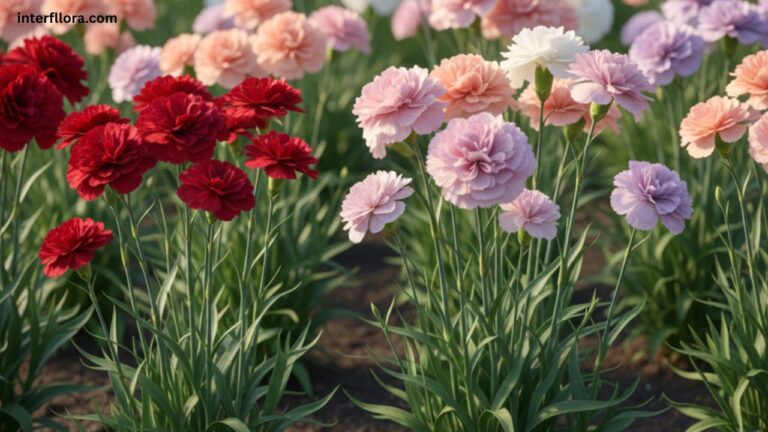
Carnations belong to the Dianthus caryophyllus species within the Caryophyllaceae family. These herbaceous perennials are known for their narrow leaves and sturdy stems, which support dense, layered blooms.
Growth Habits and Lifespan
We find carnations growing as compact plants, typically reaching 12 to 24 inches in height. With proper care, carnation plants can thrive for several years, producing repeated blooms that maintain consistent quality and color.
Types of Carnation Flowers
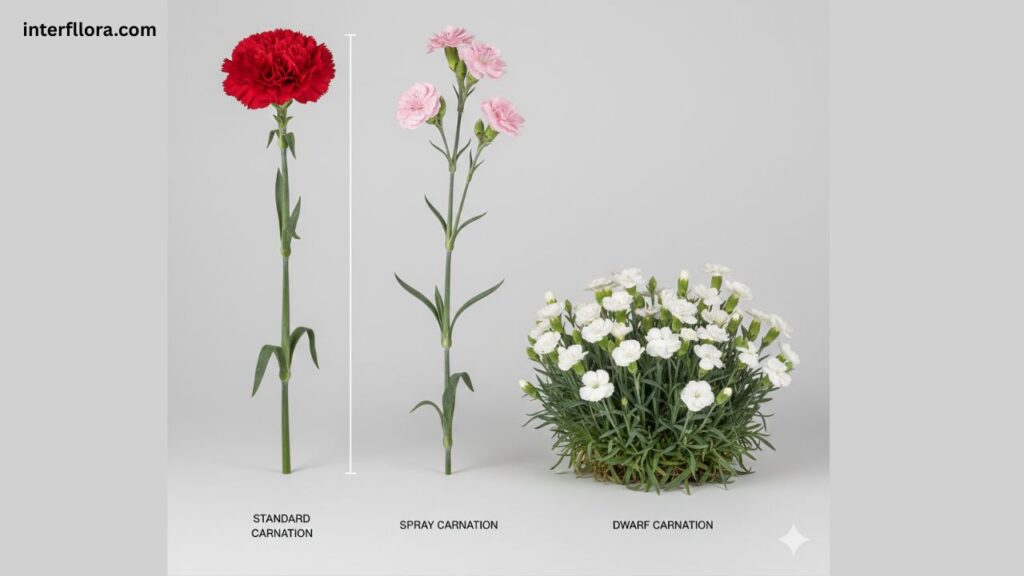
Standard Carnations
Standard carnations feature a single large bloom per stem, making them ideal for focal points in floral arrangements. Their bold presence and uniform shape make them a florist staple.
Spray Carnations
Spray carnations produce multiple smaller blooms on each stem. We often use them to add texture and fullness to bouquets while maintaining elegance.
Dwarf Carnations
Dwarf varieties are compact and well-suited for borders, containers, and rock gardens. Despite their size, they deliver vibrant color and fragrance.
Popular Carnation Colors and Their Meanings
Red Carnations
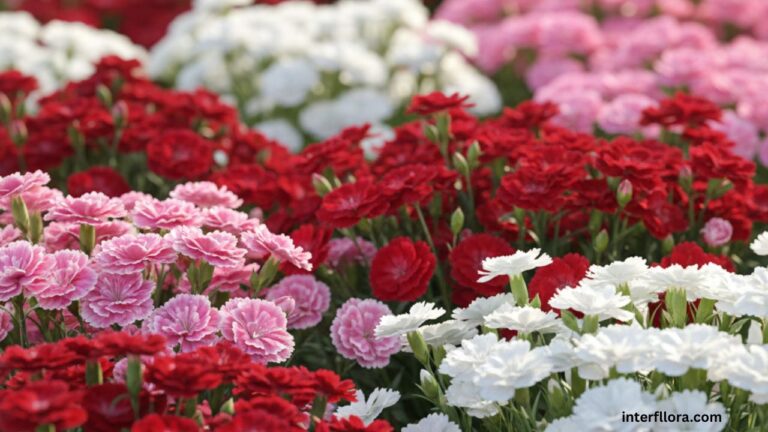
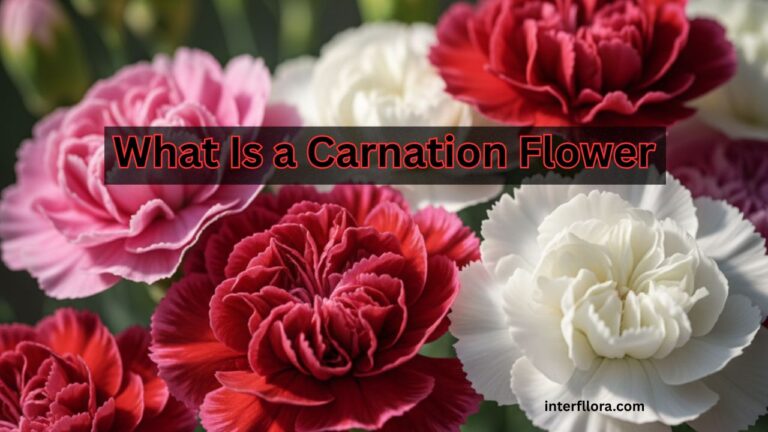
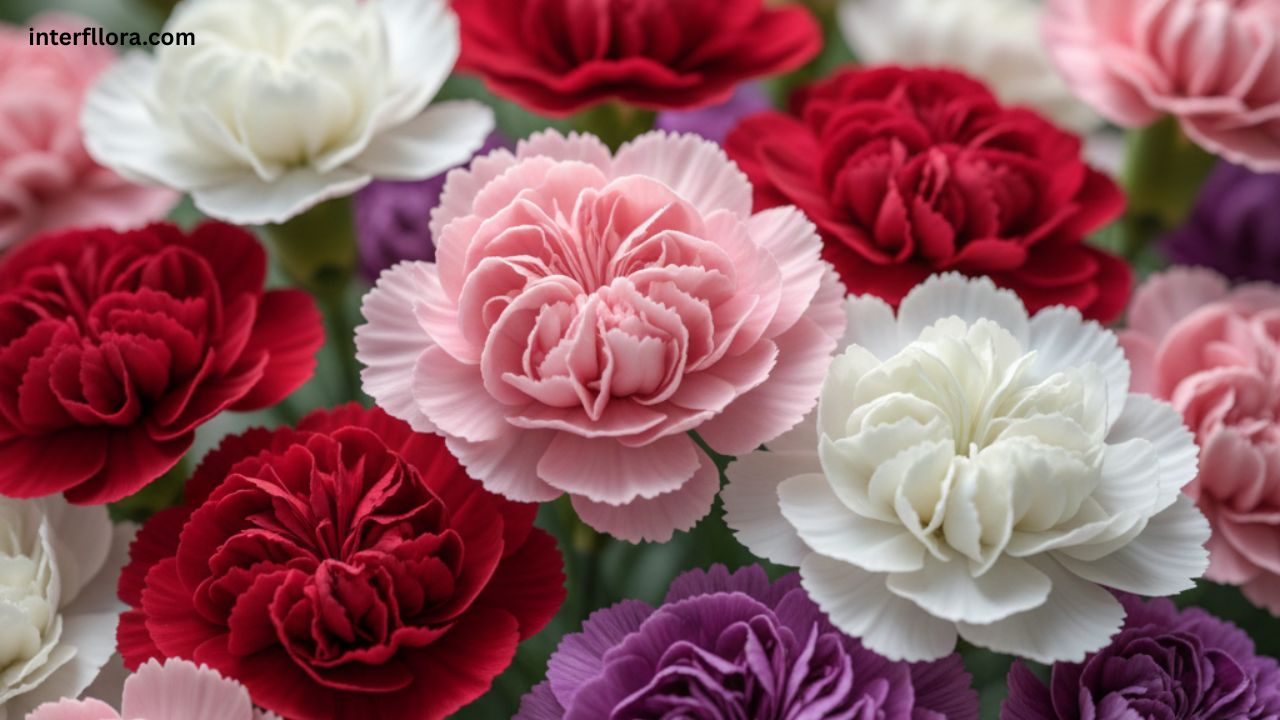
Red carnations symbolize deep love, admiration, and respect. They are frequently chosen for romantic occasions and formal ceremonies.
White Carnations
White carnations represent purity, innocence, and remembrance, making them a common choice for memorials and weddings.
Pink Carnations
Pink carnations are associated with gratitude and affection. Historically, they have been linked to maternal love and appreciation.
Yellow and Purple Carnations
Yellow carnations convey cheerfulness and friendship, while purple carnations suggest capriciousness and uniqueness. These vibrant hues add personality to any floral display.
How Carnation Flowers Are Grown
Ideal Climate and Soil Conditions
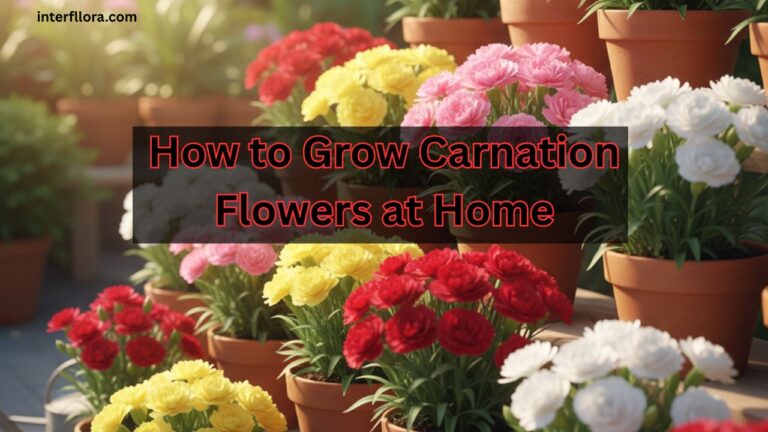
Carnations prefer cool to moderate climates with full sun exposure. Well-draining, slightly alkaline soil encourages strong root development and consistent flowering.
Planting and Propagation Methods
We propagate carnations through seeds, cuttings, or layering. Cuttings remain the most reliable method, ensuring uniform growth and bloom quality.
Caring for Carnation Plants
Watering Requirements
Consistent but moderate watering is essential. Overwatering leads to root rot, while underwatering restricts bloom production.
Fertilization Techniques
Balanced fertilizers rich in potassium support flowering. Regular feeding during the growing season enhances bloom size and longevity.
Pruning and Deadheading
Removing spent flowers promotes continuous blooming. We recommend light pruning to maintain plant shape and vigor.
Common Pests and Diseases
Identification
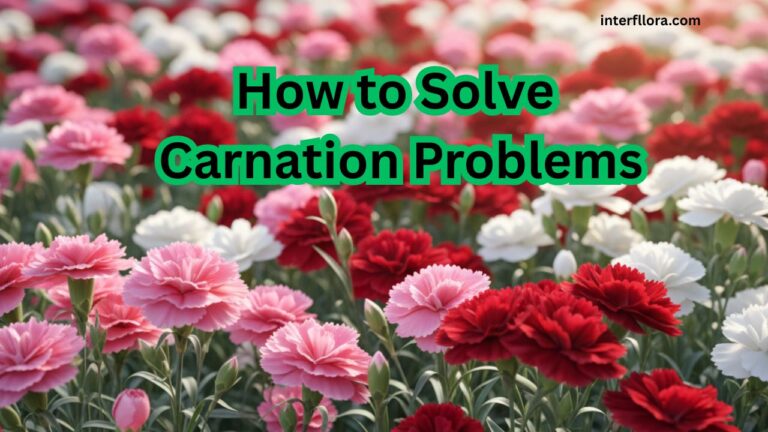
Carnations may encounter aphids, spider mites, and fungal diseases such as rust or wilt. Early detection prevents widespread damage.
Prevention and Treatment
Good air circulation, proper spacing, and preventive treatments help maintain healthy plants and robust blooms.
Carnations in Floral Arrangements
Wedding and Event Use
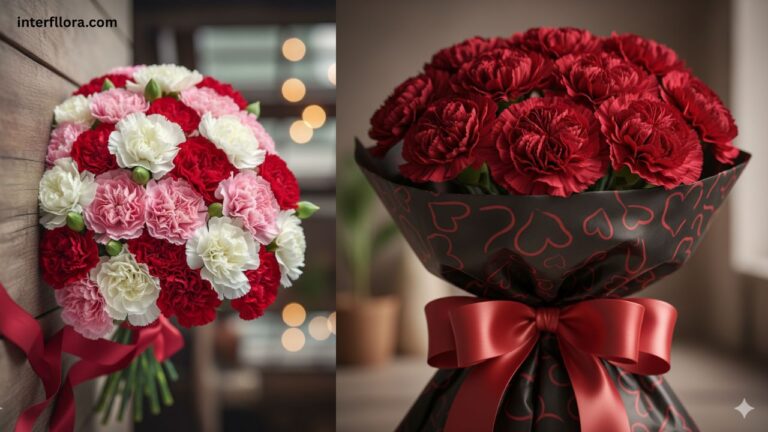
Carnations are prized for weddings and events due to their durability, versatility, and cost-effectiveness. They adapt seamlessly to both classic and modern designs.
Long-Lasting Cut Flower Qualities
With proper care, cut carnations can last up to three weeks, outperforming many other flowers in vase longevity.
Symbolism and Cultural Importance
Carnations in Global Traditions
Different cultures assign varied meanings to carnations, from national pride to expressions of remembrance.
Modern Symbolic Uses
Today, carnations remain a symbol of celebration, remembrance, and emotional expression, widely used across occasions.
Uses of Carnations Beyond Decoration
Culinary and Medicinal Uses
Certain carnation varieties are edible and used to flavor syrups and desserts. Historically, they have also been used in herbal remedies.
Aromatherapy and Cosmetics
Carnation extracts appear in perfumes and skincare products, valued for their subtle fragrance.
How to Choose Fresh Carnation Flowers
Selecting carnations with firm stems, vibrant petals, and unopened buds ensures maximum longevity and visual appeal.
Preserving and Drying Carnations
Air drying and pressing allow carnations to retain color and form, making them suitable for keepsakes and crafts.
Seasonality and Availability
Thanks to global cultivation, carnations are available year-round, maintaining consistent quality regardless of season.
Conclusion
We recognize carnation flowers as a perfect balance of beauty, symbolism, and practicality. Their rich history, diverse varieties, and enduring appeal make them a cornerstone of floral culture. Whether grown, gifted, or admired, carnations continue to captivate with timeless elegance.