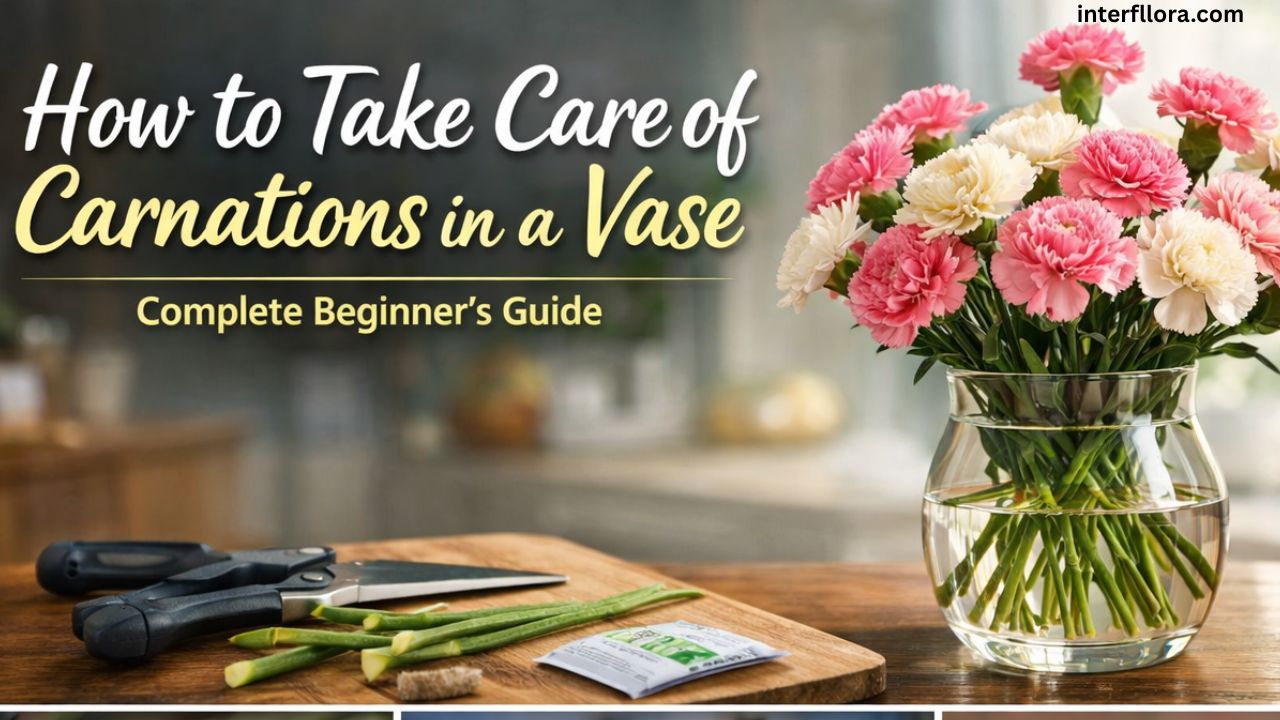
How to Take Care of Carnations in a Vase: Complete Beginner Guide
Learn how to take care of carnations in a vase with expert-backed tips. Discover water care, stem cutting, placement, flower food, and proven methods to keep carnations fresh longer.
Introduction
Carnations are among the most enduring and elegant cut flowers available for home and professional arrangements. Their long vase life, wide color range, and symbolic meaning make them a preferred choice for beginners and experienced floral enthusiasts alike. In this comprehensive guide, we present a precise, step-by-step methodology to ensure carnations remain fresh, vibrant, and structurally sound for as long as possible in a vase.
Understanding Carnations as Cut Flowers
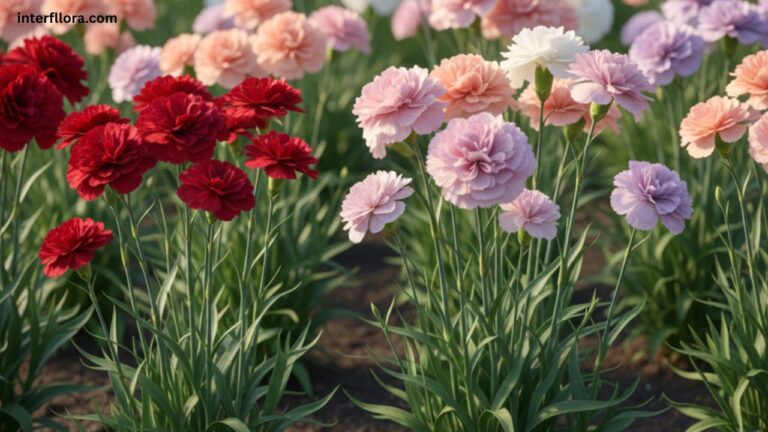
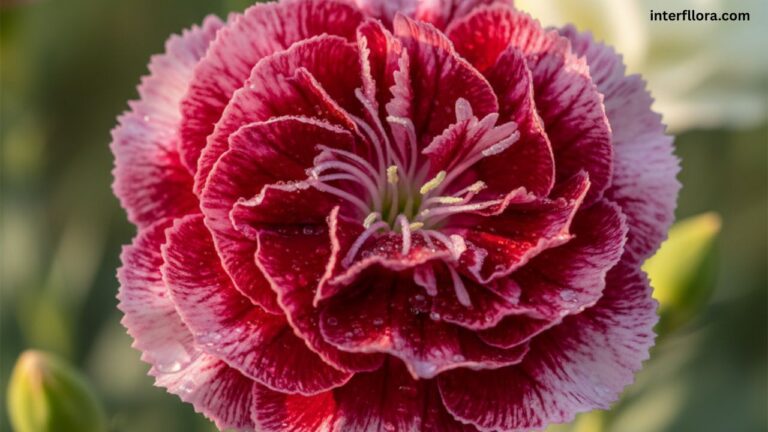
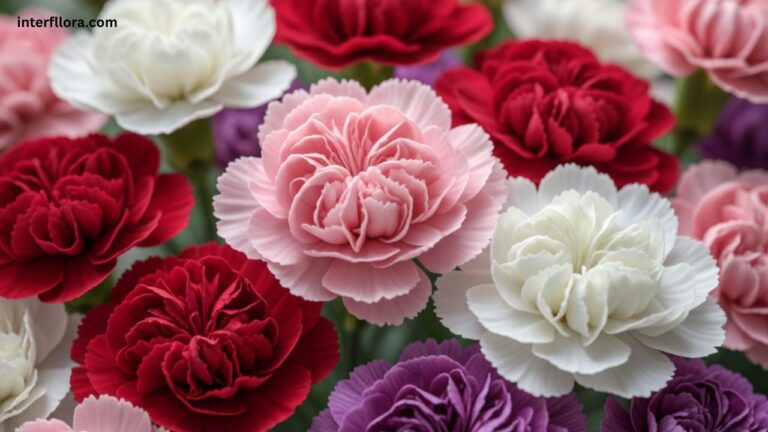
Carnations (Dianthus caryophyllus) are distinguished by their firm stems, ruffled petals, and exceptional post-harvest longevity. When handled correctly, carnations can last 10 to 21 days in a vase, outperforming many other popular cut flowers.
Key characteristics include:
Understanding these fundamentals allows us to implement optimal care practices from the moment carnations enter the home.
Selecting Fresh Carnations for Vase Use
Proper care begins at the point of purchase. Selecting high-quality carnations ensures all subsequent steps are effective.
We recommend choosing carnations with:
Avoid carnations with soft stems, excessive petal shedding, or visible moisture on the flower head, as these indicate age or poor storage.

Preparing Carnations Before Placing in a Vase
Preparation is a critical phase that directly affects vase longevity.
Trimming the Stems Correctly
We advise trimming carnation stems at a 45-degree angle using sharp, sanitized scissors or floral shears. This angled cut:
- Increases water absorption surface area
- Prevents stems from sealing against the vase base
Stems should be trimmed 1–2 inches before placement and re-trimmed every 2–3 days.
Removing Submerged Foliage
All leaves that would fall below the waterline must be removed. Submerged foliage accelerates bacterial growth, which blocks water uptake and shortens flower life.
Choosing the Right Vase and Water
Vase Selection
A clean vase is non-negotiable. We recommend:
- Glass or glazed ceramic vases
- Narrow-neck designs for stem support
- Thorough washing with warm water and mild soap
Water Quality and Temperature
Carnations hydrate best in lukewarm water, not cold. Lukewarm water allows faster stem absorption and reduces initial shock.
Water should be changed every 48 hours to prevent microbial buildup.
Using Flower Food for Maximum Longevity
Commercial flower food is strongly recommended. It typically contains:
- Sugars to nourish blooms
- Biocides to control bacteria
- Acidifiers to balance pH levels
If flower food is unavailable, a temporary solution can be prepared using:
- 1 teaspoon sugar
- 1 teaspoon white vinegar
- 1 quart water
This mixture supports hydration and delays bacterial development, though it is less effective than professional formulations.
Ideal Placement for Carnations in a Vase
Environmental placement significantly influences vase life.
We recommend positioning carnations:
- Away from direct sunlight
- Clear of heating vents and radiators
- Far from ripening fruits, which emit ethylene gas
The ideal room temperature range is 18–22°C (65–72°F). Excessive heat accelerates petal wilting and stem dehydration.
Daily and Ongoing Carnation Maintenance
Consistent care ensures extended freshness.
Water Monitoring
We advise checking water levels daily. Carnations are highly efficient drinkers and can deplete vase water rapidly. Low water levels expose stem ends to air, interrupting hydration.
Re-Trimming Stems
Every two to three days, stems should be re-trimmed and returned to fresh water. This removes bacterial blockages and restores capillary action.
Managing Wilting and Drooping Carnations
If carnations begin to droop prematurely, immediate intervention can often restore them.
Recommended actions include:
- Re-cutting stems under running water
- Placing flowers in deep lukewarm water for 30 minutes
- Removing any damaged or collapsing blooms
This rehydration process frequently revives carnations within hours.
Preventing Common Carnation Problems
Bacterial Cloudiness
Cloudy water indicates bacterial overgrowth. This must be addressed immediately by replacing water and thoroughly cleaning the vase.
Split Calyx
Some carnation varieties experience calyx splitting as blooms open. While primarily aesthetic, this can be minimized by maintaining stable temperatures and avoiding excessive handling.
Extending Carnation Vase Life Beyond Two Weeks
For advanced care, we recommend:
- Nighttime placement in a cooler room
- Strict adherence to water-change schedules
- Immediate removal of fading blooms to protect healthy ones
With disciplined care, carnations can remain attractive well beyond standard expectations.
Symbolic and Decorative Value of Carnations
Beyond longevity, carnations offer strong decorative versatility. Their upright growth habit and dense petals make them ideal for:
- Table centerpieces
- Formal arrangements
- Minimalist single-stem displays
Their symbolism, ranging from admiration to remembrance, adds emotional depth to any floral presentation.
Final Thoughts on Carnation Vase Care
When approached methodically, caring for carnations in a vase is a straightforward process with highly rewarding results. By focusing on stem preparation, water hygiene, environmental control, and routine maintenance, we can reliably achieve long-lasting, visually impressive arrangements suitable for any setting.
Carnations reward consistency and precision. With the practices outlined in this guide, even beginners can maintain professional-grade floral displays at home.